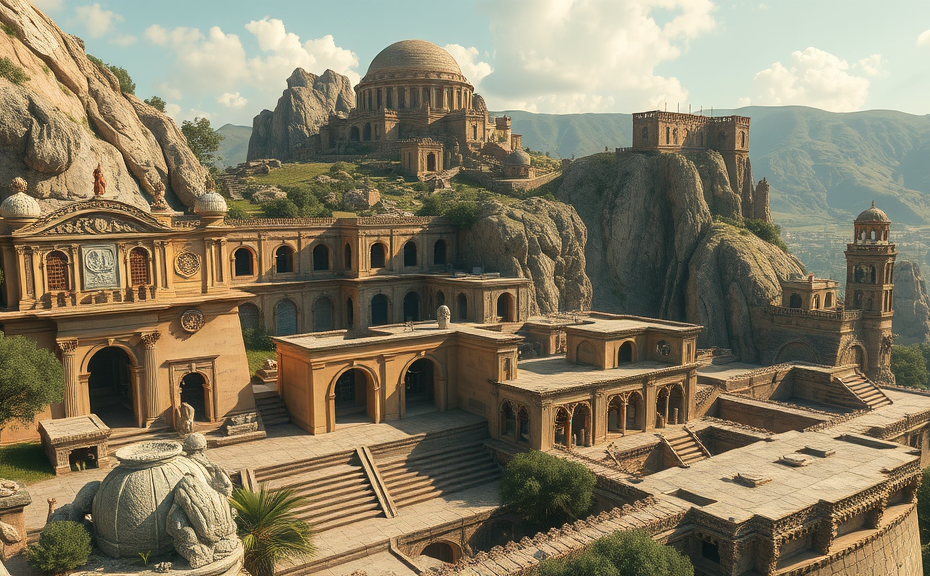
Essential Safety Gear and Practices for Exploring Ancient Cities
Exploring ancient cities can be an exhilarating experience, offering a glimpse into the past and the civilizations that once thrived there. However, it’s crucial to approach these sites with caution to ensure your safety and preserve the historical integrity of the locations. Here are some essential safety gear and practices to consider before embarking on your adventure.
Wear Appropriate Footwear: The terrain in ancient cities can be uneven and treacherous. Opt for sturdy, comfortable shoes with good traction to prevent slips and falls. Hiking boots or sturdy sneakers are ideal choices as they offer support and stability on rugged surfaces.
Protective Clothing
- Layer Up: Depending on the climate, wear layers that you can easily add or remove. This allows you to adjust to changing temperatures throughout the day.
- Sun Protection: Wear a wide-brimmed hat, sunglasses, and sunscreen to protect yourself from the sun’s harmful rays. Ancient sites often offer little shade, so it’s important to safeguard your skin and eyes.
- Long Sleeves and Pants: Consider wearing long sleeves and pants to protect against insect bites and scratches from plants or ruins. This is especially important in areas where you might encounter wildlife or thorny vegetation.
Hydration and Nutrition
- Carry Plenty of Water: Dehydration is a real risk when exploring ancient cities, especially in hot climates. Bring a reusable water bottle and refill it as needed. A general rule is to drink at least one liter of water every two hours.
- Pack Snacks: Bring high-energy snacks like nuts, granola bars, or dried fruits to keep your energy levels up. Eating small, frequent meals can help maintain your stamina during long walks.
Navigational Tools
- Map and Compass: Always carry a detailed map of the area and a compass to navigate unfamiliar terrain. Even if you have a smartphone, it’s wise to have a backup in case of technical issues or lack of signal.
- GPS Device: Consider bringing a GPS device for added navigation assistance. It can help you track your route and find your way back to your starting point if you get lost.
Communication Devices
- Mobile Phone: Keep your mobile phone charged and consider bringing a portable charger. In case of an emergency, having a way to call for help is crucial.
- Two-Way Radios: If you’re traveling in a group, bring two-way radios for communication within the site. They are more reliable than cell phones in remote areas.
Emergency Supplies
- First Aid Kit: Pack a comprehensive first aid kit with bandages, antiseptic wipes, pain relievers, and any personal medications you may need.
- Whistle: Carry a whistle to signal for help in case of an emergency. Three short blasts are recognized as a distress signal internationally.
- Flashlight or Headlamp: Bring a flashlight or headlamp with extra batteries. These can be invaluable if you find yourself exploring after dark or in shadowy areas.
Respect Historical Sites
- Follow Rules: Adhere to any rules or guidelines provided by local authorities or site managers. This includes staying on marked paths, not touching artifacts, and avoiding restricted areas.
- Leave No Trace: Practice responsible tourism by carrying out all trash and not disturbing the environment. Leave the site as you found it for future visitors to enjoy.
By equipping yourself with the right gear and following these practices, you can safely explore ancient cities and create lasting memories while preserving these historic treasures for generations to come.
Historical Contexts: Understanding the Significance of Each Ancient City
Exploring an ancient city can be a thrilling experience, offering a glimpse into the past and the civilizations that once thrived there. However, to truly appreciate these historical sites, it’s important to understand their significance within the broader context of history. Here’s how you can approach each ancient city with a deeper understanding and ensure a safe and enriching visit.
When planning your trip, start by researching the historical background of the city you plan to visit. Understanding the timeline and major events associated with the city will help you contextualize what you see. For instance, visiting Athens, Greece, without knowing about its role in the Golden Age of Pericles would be like watching a play without reading the script first. Familiarize yourself with key figures, architectural styles, and cultural practices that shaped the city.
Consider the geographical location of the ancient city. Geography often played a crucial role in determining the prosperity and downfall of these cities. For example, the strategic position of Carthage on the Mediterranean made it a powerful trading hub. Understanding how geography influenced the city’s development can provide valuable insights into its history. Check maps and historical records to get a sense of the city’s layout and its relationship to surrounding areas.
Another critical aspect is the preservation status of the site. Some ancient cities have been well-preserved, allowing visitors to walk through streets and buildings almost as they were centuries ago. Pompeii, for example, offers a remarkably intact snapshot of Roman life before the eruption of Mount Vesuvius. Other sites may require more imagination, with only ruins or partial structures remaining. Knowing the extent of preservation can help set realistic expectations and enhance your appreciation of what remains.
Engage with local guides and resources. Local experts can provide invaluable insights and enrich your experience. They can share lesser-known stories, explain the significance of certain artifacts, and offer practical tips for navigating the site safely. Many ancient cities have museums nearby that house artifacts found during excavations. Visiting these museums can provide a deeper understanding of the city’s history and the items you might encounter at the site itself.
Be mindful of the rules and regulations at each site. Most ancient cities have guidelines in place to protect the integrity of the ruins. Follow these rules diligently. For example, avoid touching or climbing on fragile structures, stay on marked paths, and refrain from removing any artifacts. These measures are not just for the protection of the site but also for your safety. Some areas may be off-limits due to ongoing excavation or structural instability.
Consider the environmental impact of your visit. Ancient cities are often fragile ecosystems. Respect the environment by disposing of waste properly, avoiding litter, and adhering to designated areas. Participate in sustainable tourism initiatives when possible, such as supporting local businesses and conservation efforts.
To ensure a safe exploration, prepare adequately. Wear comfortable shoes suitable for walking on uneven terrain. Bring water, sunscreen, and a hat to protect against the elements. Consider bringing a guidebook or using a smartphone app that provides historical information and maps of the site. This can help you navigate more effectively and learn as you go.
Exploring an ancient city is a rewarding endeavor that requires preparation and respect. By understanding the historical context, considering geographical factors, being aware of preservation statuses, engaging with local resources, following rules, and practicing sustainable tourism, you can gain a deeper appreciation of these remarkable sites while ensuring their preservation for future generations.
Guided Tours vs. Independent Exploration: Weighing the Pros and Cons
In the realm of exploring ancient cities, two predominant methods stand out: guided tours and independent exploration. Each approach has its own set of advantages and disadvantages, making them suitable for different types of travelers. Whether you prefer the structured guidance of a tour or the freedom to wander at your own pace, understanding the pros and cons can help you decide which method best suits your needs.
Guided Tours
Guided tours offer a comprehensive way to explore an ancient city, often led by knowledgeable local guides who can provide historical context and interesting anecdotes. Here are some key benefits:
- Expert Knowledge: Guides are typically well-versed in the history and significance of the sites, offering valuable insights that might be missed during independent exploration.
- Safety and Security: Being part of a group provides a sense of security, especially in unfamiliar or potentially risky areas.
- Time Efficiency: Guided tours are designed to maximize your time, ensuring you see the most important sites without wasting time figuring out logistics.
- Convenience: Everything is arranged for you, from transportation to entry tickets, simplifying the planning process.
However, there are also drawbacks to consider:
- Limited Flexibility: Tours follow a predetermined schedule, which may not allow for spontaneous discoveries or extended stays at particularly interesting spots.
- Group Dynamics: You’re part of a group, which means you must adhere to the pace and interests of others, which can sometimes detract from your personal experience.
- Cost: Guided tours can be more expensive than independent travel, especially if you’re traveling solo.
Independent Exploration
For those who prefer a more personalized adventure, independent exploration offers unmatched freedom and flexibility. Consider these pros and cons:
- Flexibility: You can tailor your itinerary to suit your interests and pace. Spend as much time as you want at each site without feeling rushed.
- Freedom: You have complete control over where you go and when, allowing for spontaneous detours and discoveries.
- Cost-Effective: Traveling independently can be more budget-friendly, especially if you’re traveling with a group or family.
On the downside:
- Navigation Challenges: Without a guide, navigating unfamiliar terrain and finding key sites can be challenging.
- Lack of Context: You miss out on the expert knowledge provided by guides, which could lead to missing important historical details.
- Safety Concerns: Venturing alone into less-traveled areas can pose safety risks, especially if you’re not familiar with the region.
Choosing the Right Approach
Deciding between a guided tour and independent exploration ultimately depends on your preferences, travel style, and comfort level. If you value expert insights and convenience, a guided tour might be the better choice. On the other hand, if you thrive on spontaneity and independence, independent exploration could offer a richer, more personalized experience.
Many travelers find a balanced approach works best. For example, you might opt for a guided tour to get a solid overview of the city’s highlights and then spend additional days exploring on your own. This hybrid approach allows you to benefit from both worlds, gaining a deep understanding of the city while still enjoying the freedom to explore at your leisure.
Tips for Safe Exploration
No matter which method you choose, safety should always be a priority. Here are some tips to ensure a safe and enjoyable experience:
- Research Thoroughly: Before your trip, gather information about the city’s layout, popular sites, and potential hazards.
- Stay Connected: Keep your phone charged and carry a portable charger. Share your itinerary with someone back home.
- Travel Light: Avoid carrying valuables and keep essential items secure.
- Know Local Laws: Familiarize yourself with local laws and customs to avoid unintentional offenses.
- Join Groups: If exploring independently, consider joining organized groups or tours for safety in numbers.
Final Thoughts
Whether you opt for the structured guidance of a tour or the liberating freedom of independent exploration, both methods offer unique ways to uncover the mysteries and beauty of ancient cities. By weighing the pros and cons, you can choose the approach that best aligns with your travel goals and personal preferences. Remember, the most important aspect is to enjoy the journey and create lasting memories.
Preserving Heritage: How Visitors Can Contribute Positively to Ancient Sites
Exploring ancient cities can be a thrilling adventure, but it’s essential to approach these sites with respect and care. Preserving heritage is not just the responsibility of local authorities; visitors also play a crucial role in maintaining the integrity and authenticity of these historical places. Here are some practical ways you can contribute positively to ancient sites during your visit.
Plan Ahead: Before embarking on your journey, do thorough research about the site you plan to visit. Understand the history, significance, and current conservation efforts. Familiarize yourself with the rules and regulations set by the site’s management. This knowledge will help you navigate responsibly and avoid unintentional damage.
Follow the Rules: Most ancient sites have guidelines to protect them from harm. These may include staying on designated paths, avoiding touching artifacts, and refraining from climbing on ruins. Always adhere to these rules. They are in place to preserve the site for future generations and ensure its longevity.
Respect Local Customs: Each culture has unique customs and traditions surrounding their historical sites. Show respect by dressing appropriately and observing local etiquette. This might mean removing your shoes before entering certain areas or keeping noise levels low. Your consideration can go a long way in fostering positive relationships between visitors and local communities.
Avoid Touching Artifacts: While it might be tempting to touch ancient structures or artifacts, resist the urge. Even the slightest touch can cause deterioration over time. Instead, admire them from a distance and take photos to capture the moment without causing physical harm.
Do Not Remove Artifacts: Taking souvenirs from archaeological sites is strictly prohibited and contributes to the loss of valuable historical data. Every artifact removed reduces our ability to understand the past. Leave everything as you found it, so others can enjoy and learn from the site too.
Support Local Businesses: Engage with local economies by purchasing goods and services from nearby businesses. This support helps the community thrive and provides incentives for locals to continue preserving their heritage. Opt for locally made crafts, dine at family-owned restaurants, and stay at locally run accommodations.
Stay Informed: Keep up-to-date with news and developments related to the site you’re visiting. Many organizations and communities work tirelessly to protect these places. By staying informed, you can join advocacy efforts and spread awareness about the importance of preservation.
Participate in Conservation Efforts: Some sites offer volunteer programs where you can actively participate in conservation activities. Tasks might range from clearing vegetation to assisting archaeologists with documentation. Volunteering not only helps the site but also gives you a deeper appreciation for the work involved in maintaining these treasures.
Be Mindful of Environmental Impact: Ancient sites often exist in fragile ecosystems. Be conscious of your environmental footprint by properly disposing of waste, using eco-friendly products, and avoiding activities that could disturb wildlife. Small actions like carrying a reusable water bottle and snacks in reusable containers can make a big difference.
Share Your Experience: Once you return home, share your experience with friends and family. Use social media platforms to highlight the beauty and importance of the site you visited. Encourage others to visit responsibly and educate themselves about the significance of these places. Positive stories can inspire others to adopt respectful behaviors.
Support Preservation Organizations: Consider donating to organizations dedicated to the preservation of ancient sites. Financial contributions help fund restoration projects, educational programs, and ongoing maintenance. Even a small donation can contribute significantly to the cause.
Report Damage: If you notice any damage or signs of vandalism, report it immediately to the site’s management. Early detection can prevent further harm and allow for prompt action to be taken. Your vigilance could be crucial in safeguarding the site’s future.
Learn Before You Go: Engaging in pre-trip learning can enhance your experience and deepen your understanding of the site. Visit museums, read books, or watch documentaries related to the site. This preparation can transform your visit into a more enriching and respectful experience.
By adopting these practices, you can play a vital role in preserving the world’s ancient cities. Your contribution, no matter how small, can make a significant impact. Remember, every effort counts in safeguarding these invaluable pieces of history for future generations.
Modern Technology in Archaeology: Tools for Safer Exploration
Exploring ancient cities can be both thrilling and challenging. Modern technology has revolutionized how archaeologists and enthusiasts approach these sites, making exploration safer and more informative. Here’s a look at some of the tools and technologies that are changing the game.
Remote Sensing Technologies
Remote sensing technologies like LiDAR (Light Detection and Ranging) have become invaluable in uncovering hidden structures beneath dense vegetation. By emitting laser pulses from aircraft or drones, LiDAR can map the terrain with remarkable precision, revealing features that would otherwise remain concealed. This non-invasive method allows researchers to gather data without disturbing the site, ensuring minimal impact on the archaeological integrity.
Benefits of LiDAR
- Efficiently maps large areas quickly
- Penetrates thick vegetation to reveal hidden structures
- Provides high-resolution data for detailed analysis
- Reduces the need for invasive excavation methods
Geophysical Survey Techniques
Geophysical survey techniques, including ground-penetrating radar (GPR), magnetometry, and electrical resistivity tomography (ERT), are essential for understanding what lies beneath the surface without the need for excavation. These methods help identify buried structures, artifacts, and changes in soil composition that could indicate the presence of ancient buildings or settlements.
Applications of Geophysical Surveys
- Identifies the location and extent of underground features
- Helps plan targeted excavations to minimize damage
- Offers a preliminary assessment of potential sites
- Enhances the accuracy of archaeological mapping
Drones and Aerial Photography
Drones equipped with high-resolution cameras offer a bird’s-eye view of archaeological sites, providing comprehensive coverage that can be used for mapping and monitoring. Aerial photography allows researchers to document the landscape over time, track erosion, and detect subtle changes that might indicate new discoveries.
Advantages of Drone Usage
- Captures detailed images and videos from multiple angles
- Enables real-time monitoring of site conditions
- Allows for quick and frequent updates to site maps
- Facilitates public engagement through accessible imagery
3D Modeling and Virtual Reality
Three-dimensional modeling and virtual reality (VR) are transforming how we visualize and interact with ancient cities. By creating detailed digital reconstructions based on archaeological findings, researchers can simulate historical environments, allowing visitors to experience these sites as they once were. This technology also aids in planning conservation efforts and managing visitor access.
Key Features of 3D Models and VR
- Provides immersive experiences for educational purposes
- Assists in planning restoration and conservation projects
- Helps manage visitor traffic and protect sensitive areas
- Facilitates collaboration among international teams
Robotics and Autonomous Systems
Robots and autonomous systems are increasingly being employed in archaeological digs. These machines can perform tasks in hazardous environments, such as unstable ruins or confined spaces, reducing risks to human explorers. They can also collect data and samples with precision, contributing to more accurate analyses.
Examples of Robotic Applications
- Navigates and explores dangerous or inaccessible areas
- Collects environmental and structural data
- Assists in the excavation process with minimal disruption
- Enhances safety measures during fieldwork
By leveraging modern technology, archaeologists can explore ancient cities with greater safety and efficiency. These tools not only aid in discovery but also preserve the integrity of these historical sites for future generations. As technology continues to evolve, the possibilities for safer and more insightful exploration will only expand.
Conclusion
Exploring ancient cities offers a thrilling journey through time, but it’s crucial to approach these sites with care and respect. By understanding the historical significance of each location, you can deepen your appreciation and connection to the past. Essential safety gear and practices ensure your adventure remains enjoyable and secure, while modern technology provides new tools for exploration. Whether you choose a guided tour or independent exploration, weigh the pros and cons to find what best suits your needs. Remember, preserving these heritage sites for future generations is everyone’s responsibility. By following these guidelines, you can contribute positively and help maintain these invaluable treasures. Enjoy your travels with knowledge, caution, and reverence, and let each visit enrich both you and the world around you.