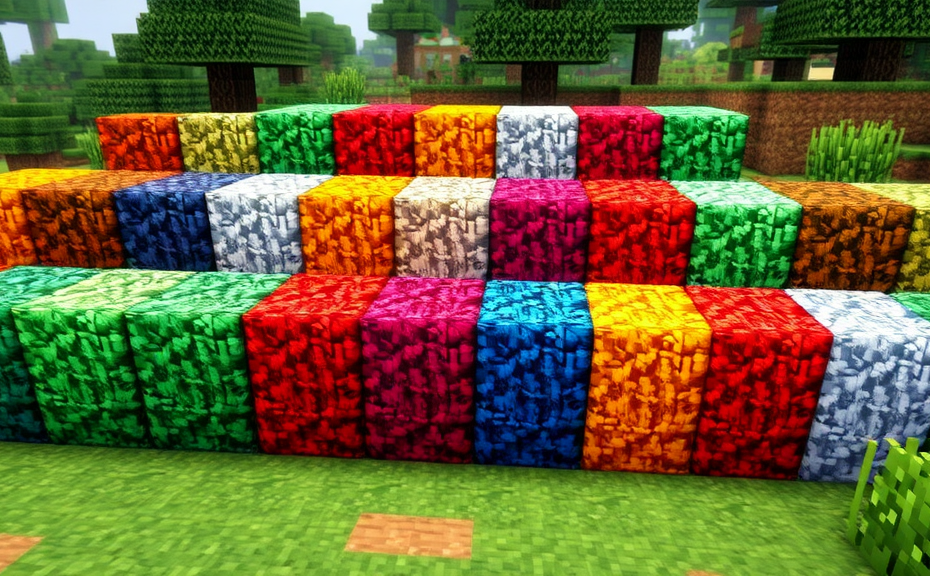
Understanding the 16 Colors of Wool in Minecraft: A Comprehensive Guide
Minecraft, the immensely popular sandbox game, offers players a vast array of customization options to build and decorate their worlds. One of the most versatile items in the game is wool, which comes in a wide range of colors. Understanding the 16 colors of wool in Minecraft can enhance your building skills and help you create stunning structures and designs. Let’s dive into the details.
Wool is crafted by combining string with dye in a crafting table. Each color of wool can be used to add a splash of color to your creations, making your builds stand out. Here’s a comprehensive guide to the 16 different colors of wool available in Minecraft:
- White Wool: This is the default color of wool when you craft it without adding any dyes. It’s a clean, neutral option that pairs well with almost any other color.
- Orange Wool: Bright and energetic, orange wool adds a vibrant touch to your builds. It pairs well with white, black, or grey for a striking contrast.
- Magenta Wool: Magenta is a unique color that brings a touch of fantasy to your world. It works well with lighter shades like white or yellow for a playful look.
- LIGHT BLUE Wool: Light blue wool provides a calming effect and works beautifully with other pastel colors. It’s perfect for creating serene environments or water-themed structures.
- YELLOW Wool: Yellow wool is bright and cheerful, ideal for adding a pop of color to your builds. It pairs well with black, white, or green for a lively appearance.
- LIME Wool: Lime wool is a fresh and vibrant color that can bring life to your structures. It contrasts well with darker shades like grey or brown.
- PINK Wool: Pink wool adds a soft and feminine touch to your creations. It works well with white, grey, or light blue for a gentle look.
- GRAY Wool: Gray wool is a versatile neutral color that blends well with almost any other color. It’s great for creating a modern or industrial look.
- Light Gray Wool: Light gray wool is slightly less intense than regular gray. It’s perfect for creating a subtle yet sophisticated design.
- CYAN Wool: Cyan wool has a cool, ocean-like hue that can make your builds feel more aquatic. It pairs well with other cool colors like blue or green.
- PURPLE Wool: Purple wool is regal and elegant, bringing a sense of luxury to your creations. It works well with white, grey, or gold for a majestic appearance.
- BLUE Wool: Blue wool is a classic choice that can represent water, sky, or any number of themes. It pairs well with white, yellow, or green for a balanced look.
- BROWN Wool: Brown wool is earthy and grounded, perfect for creating rustic or woodland-themed structures. It works well with green, tan, or other natural colors.
- GREEN Wool: Green wool represents nature and growth, making it ideal for forest or garden-themed builds. It pairs well with brown, white, or yellow for a natural look.
- RED Wool: Red wool is bold and eye-catching, perfect for adding a dramatic flair to your creations. It works well with white, black, or yellow for a dynamic appearance.
- BLACK Wool: Black wool is dramatic and powerful, adding a strong contrast to your builds. It pairs well with white, grey, or any bright color for a high-contrast look.
Each color of wool opens up a world of possibilities in Minecraft. Whether you’re building a cozy cottage, a futuristic city, or a magical castle, choosing the right colors can elevate your project from ordinary to extraordinary. Experimenting with different combinations can lead to some truly unique and impressive builds.
To get these colored wools, you need to craft them using white wool and a dye of the corresponding color. You can obtain dyes by crafting them from flowers, bones, and other resources found throughout the game. For example, you can make white wool by placing four strings in a square pattern in the crafting table. To turn it into red wool, place one red dye in the center of the crafting grid surrounded by four pieces of white wool.
Understanding the properties and uses of each color of wool can greatly enhance your gameplay experience. Not only does it allow for more creative freedom, but it also adds a layer of personalization to your Minecraft world. Whether you’re a seasoned player or a newcomer, exploring the various colors of wool can open up new avenues for creativity and fun.
The 16 colors of wool in Minecraft provide endless opportunities for customization and creativity. From simple houses to elaborate castles, each color can be used to express your unique vision and bring your Minecraft world to life. So, grab your crafting table, gather your materials, and start experimenting with the vibrant palette of wool colors to make your builds truly stand out.
How to Obtain Each Color of Wool in Minecraft: Tips and Tricks
In the vast world of Minecraft, wool comes in a vibrant array of 16 different colors, each adding a unique flair to your builds and creations. Whether you’re crafting cozy shelters or designing elaborate decorations, knowing how to obtain each color of wool can significantly enhance your gameplay experience. Let’s dive into the methods and tips for acquiring every shade of wool in the game.
Obtaining Basic Wool Colors
To start, let’s cover the basic method for obtaining wool in Minecraft. First, you need to craft a shears or a loom. Shears allow you to shear sheep, which yields white wool. You can then dye this white wool to get other colors. Using a loom, you can directly dye wool without needing shears.
Dyeing White Wool
White wool can be found naturally on sheep, but it’s also easily crafted. To craft wool, you need to collect three blocks of wool from sheep using shears or by killing them (though killing sheep isn’t recommended). Once you have your white wool, you can dye it using various dyes available in the game.
- Black Wool: Use ink sacs or dried kelp base.
- Blue Wool: Use lapis lazuli.
- Brown Wool: Use cocoa beans.
- Cyan Wool: Combine blue dye and green dye.
- Gray Wool: Use gray dye, made from mixing black and white dyes.
- Green Wool: Use cactus green.
- Lime Wool: Use bone meal.
- Magenta Wool: Combine pink dye and purple dye.
- Orange Wool: Use orange dye, made from combining red and yellow dyes.
- Pink Wool: Use pink dye, made from rose bushes.
- Purple Wool: Use purple dye, made from mixing red and blue dyes.
- Red Wool: Use red dye, made from beetroot.
- Light Blue Wool: Combine blue dye and white dye.
- Light Gray Wool: Use light gray dye, made from mixing black and white dyes.
- White Wool: Already available naturally.
- Yellow Wool: Use yellow dye, made from dandelions.
Tips for Efficient Wool Collection
Efficiency is key when it comes to collecting wool. Here are some tips to help you gather and dye wool more effectively:
- Shearing Sheep: Use shears to shear sheep for white wool. Make sure to shear them before they naturally regrow their wool after a certain period.
- Killing Sheep: If you must kill sheep, do so with a sword to ensure you get all the wool in one go. However, this method isn’t ideal due to the limited supply of sheep in the game.
- Farming Dyes: Set up farms for dyes to ensure a steady supply. For example, you can grow flowers for dyeing and crops like beetroot for red dye.
- Using Wool Farms: Automate the process by setting up a wool farm where sheep spawn and are automatically sheared. This can save time and resources.
Advanced Techniques
For those looking to take their wool collection to the next level, here are some advanced techniques:
- Trading: Trade with villagers who offer wool as a trade item. This can be a quick way to get various colors of wool, though it may require emeralds.
- Adventure Mode: Explore dungeons and strongholds to find structures like End Ships, which often contain colored wool.
- Custom Dyes: Experiment with custom dyes using slimeballs and magma cream to create unique shades.
Decorating with Colored Wool
Once you’ve obtained your desired colors of wool, the fun part begins—decorating! Colored wool is perfect for creating intricate patterns, colorful banners, and even furniture. Consider these ideas to spice up your builds:
- Patterns: Use different colors to create geometric patterns or intricate designs on walls and floors.
- Banners: Craft banners using dyed wool for a personalized touch. Banners can be placed on walls or used as floor decorations.
- Interior Design: Use colored wool to add accents to rooms, creating a themed interior or simply adding a pop of color.
By mastering the art of wool collection and dyeing, you can bring a new level of creativity and customization to your Minecraft world. Whether you’re building a cozy cottage or an elaborate castle, the right colors of wool can transform your structures into works of art. Happy building!
The Role of Wool Colors in Minecraft’s Building and Design Elements
In the vast world of Minecraft, players can unleash their creativity with a wide array of building materials and design elements. Among these, wool plays a significant role due to its vibrant color palette. There are 16 distinct colors of wool available in the game, each offering unique possibilities for architectural and decorative projects. Whether you’re crafting cozy cottages, intricate castles, or whimsical gardens, understanding the properties and applications of each wool color can elevate your builds to new heights.
Let’s explore how these 16 colors of wool can enhance your Minecraft experience:
White Wool
White wool is one of the most versatile colors, often used as a base or backdrop for many designs. It blends seamlessly with other colors and can be used to create a clean, modern look. White wool can also be dyed to achieve any other color, making it a go-to choice for players looking for flexibility.
Orange Wool
Orange wool adds a warm, energetic touch to your builds. It works well in tropical or desert-themed structures, providing a striking contrast against sandstone or other neutral tones. Orange wool can also be used to highlight important areas within a build, drawing attention to key features.
Magenta Wool
Magenta wool offers a unique and playful aesthetic, perfect for creating whimsical or fantasy-themed constructions. It pairs well with lighter shades like white or yellow, and can add a pop of color to more subdued designs. Magenta wool is particularly useful for adding character to villager houses or enchantment rooms.
LIGHT BLUE Wool
Light blue wool evokes feelings of tranquility and serenity, making it ideal for serene environments such as libraries or water temples. Its calming presence can complement darker or earthy tones, creating a balanced and inviting atmosphere.
Yellow Wool
Yellow wool brings a bright and cheerful vibe to any build. It can be used to create vibrant pathways, sunny rooftops, or to accentuate the brightness of a farm area. Yellow wool is excellent for attracting attention and can be combined with other bright colors to create dynamic designs.
LIME Wool
Lime wool provides a fresh and lively feel, making it suitable for outdoor spaces or areas that require a bit of greenery. It works well in conjunction with other greens and browns, enhancing the natural look of forests or meadows. Lime wool can also be used to create eye-catching borders or patterns within larger builds.
PINK Wool
Pink wool adds a soft and romantic touch to your creations. It’s great for designing cozy interiors, like bedrooms or dining areas, where a gentle and welcoming ambiance is desired. Pink wool can also be used to soften harsher colors and create a harmonious balance within a structure.
GRAY Wool
Gray wool serves as a neutral tone, providing a stable foundation for more colorful designs. It can be used to create a sleek, modern look or to tone down overly vibrant sections of a build. Gray wool is especially useful for creating detailed textures or patterns that require a subtle background.
Light Gray Wool
Light gray wool offers a slightly less intense version of gray, providing a softer and more approachable neutral tone. It works well in creating a minimalist aesthetic or as a backdrop for brighter colors. Light gray wool can help balance out bold designs while still maintaining a sense of elegance.
CYAN Wool
Cyan wool introduces a cool and refreshing element to your builds. It pairs beautifully with light blues and greens, making it perfect for aquatic themes or underwater structures. Cyan wool can also be used to create a futuristic or tech-oriented aesthetic, adding a modern twist to your designs.
PURPLE Wool
Purple wool exudes luxury and sophistication, making it ideal for royal or elegant-themed buildings. It can be used to create opulent interiors or as a focal point in more subdued designs. Purple wool pairs well with gold or silver accents, enhancing the overall grandeur of a structure.
BLUE Wool
Blue wool brings a sense of calm and depth to your builds. It works well in creating realistic water effects or for adding a serene atmosphere to indoor spaces. Blue wool can be used to complement other blues or greens, creating a cohesive and harmonious environment.
BROWN Wool
Brown wool offers a natural and earthy feel, perfect for rustic or woodland-themed constructions. It can be used to create realistic wood textures or to enhance the organic look of buildings. Brown wool pairs well with other natural tones and can help ground more colorful designs.
GREEN Wool
Green wool adds a vibrant and lively element to your builds. It works well in creating lush gardens, forest areas, or any space that requires a touch of nature. Green wool can be used to complement other greens or to create a contrasting effect against more neutral tones.
RED Wool
Red wool brings intensity and passion to your builds. It can be used to create dramatic focal points or to highlight important areas within a structure. Red wool pairs well with other warm colors and can be used to create a bold and impactful design.
BLACK Wool
Black wool provides a stark and dramatic contrast to other colors, making it perfect for creating dark and mysterious environments. It can be used to create spooky or haunted structures, or to add depth and shadow to more colorful designs. Black wool is particularly effective when used sparingly to draw attention to specific areas.
Each of these 16 colors of wool in Minecraft opens up endless possibilities for creative expression. Whether you’re looking to create a simple cottage or a grand palace, understanding the unique characteristics of each color can help you craft stunning and memorable builds. Experiment with different combinations and placements to discover new and exciting ways to use wool in your Minecraft adventures.
Crafting Unique Designs with Minecraft’s 16 Wool Colors
In the expansive world of Minecraft, players can craft a multitude of items, from tools and weapons to intricate architectural designs. One of the most versatile materials used in these creations is wool. With 16 distinct colors available, wool allows for a wide range of creative expression, whether you’re building a cozy house, designing a vibrant garden, or crafting unique patterns.
To start, you need to obtain wool. This can be done by shearing sheep, which can be found naturally in various biomes. Each sheep can drop between one and three wool blocks when sheared, and their color is determined by their genetic makeup. If you want to ensure a specific color, you can breed sheep of different colors until you get the desired outcome. Once you have your wool, you can begin experimenting with the 16 colors available in Minecraft:
- White
- Orange
- Magenta
- Light Blue
- Yellow
- Lime
- Pink
- Gray
- Light Gray
- Cyan
- Purple
- Blue
- Brown
- Green
- Red
- Black
With these colors at your disposal, the possibilities for crafting unique designs are endless. For instance, you can create a checkerboard pattern by alternating between two contrasting colors like black and white. Another popular design is a gradient effect where colors transition smoothly from one to another, creating a visually appealing effect. You can also experiment with geometric shapes, repeating patterns, or even pixel art.
One way to enhance your design is by using different shades of wool to add depth and dimension. For example, you can use lighter shades for the base and darker shades for accents or outlines. This technique can help bring your creation to life, making it stand out in the vast landscape of Minecraft.
Another fun project is building a colorful carpet or rug. By placing wool blocks side by side, you can create intricate designs or simple patterns. Consider using a combination of colors to make a statement piece that adds personality to your build. You could also create a mosaic-style rug using smaller wool blocks to form a larger image or pattern.
If you’re looking to decorate your home or village, consider using wool to create vibrant wall hangings. These can be crafted by arranging wool blocks in a frame or by using signs to create a more detailed design. You can also use wool to create unique furniture pieces like beds, chairs, and even decorative pillars. Each color can serve a different purpose, allowing for a cohesive yet diverse aesthetic throughout your build.
For those who enjoy gardening, wool can be a great addition to your landscaping projects. You can create colorful flower beds by placing wool blocks underneath flowers or arranging them in patterns. This not only adds a pop of color but also helps define different sections of your garden. Additionally, you can use wool to create pathways or borders around your garden, guiding players through your beautifully designed space.
Don’t forget the power of lighting. Adding torches, glowstone, or lanterns to your wool designs can highlight certain areas and create a dramatic effect. Experiment with different light sources and placements to see how they interact with the colors of your wool. This can transform a simple design into something truly magical.
The 16 colors of wool in Minecraft offer endless opportunities for creativity and design. Whether you’re building a cozy home, decorating a village, or simply adding a touch of color to your landscape, wool can be a versatile and exciting material to work with. So grab your shears, gather some wool, and let your imagination run wild!
Beyond Wool: Other Dyeable Items in Minecraft
In the vast and colorful world of Minecraft, dyeing items can add a vibrant touch to your gameplay experience. Beyond just wool, there are several other items that can be dyed, allowing you to customize your environment and gear. Whether you’re looking to decorate your base, craft unique armor, or simply enhance your building projects, here’s a comprehensive guide to the various dyeable items available in Minecraft.
One of the most popular items for dyeing is wool. You can find wool by shearing sheep or by breaking sheep’s wool blocks. Once you have your wool, you can dye it using dyes made from flowers, bones, and more. But did you know that wool isn’t the only item you can color? Let’s dive into the other dyeable items in Minecraft.
Dyeable Armor
Armor is another essential part of Minecraft, and some types of armor can be dyed to match your outfit or blend with your surroundings. Leather armor, crafted from leather horse armor or leather obtained from cows, can be dyed any color using a dye. When you apply a dye to leather armor, the entire piece changes color. This allows you to create a cohesive look for your character or match your armor to the environment.
Leather Boots
You can easily dye your leather boots to complement your overall look. Just place the boots in the bottom slot of the crafting grid along with a dye, and voila! Your boots will be dyed the color of your choice.
Leather Leggings
Similarly, leather leggings can be dyed to fit your style. Place them in the crafting grid with a dye, and they’ll take on the new color instantly.
Leather Chestplates
Leather chestplates offer another opportunity to customize your armor. Just like the other pieces, they can be dyed using a dye in the crafting grid.
Leather Helmets
Leather helmets can also be dyed. This completes the set and ensures your armor is fully customized to your liking.
Dyeable Banners
Banners are a great way to add flair to your base or create a personalized flag. These can be crafted using wool, sticks, and banners. Once crafted, you can dye them using a dye to change their base color. Additionally, you can add patterns to your banners using dye and the banner pattern template.
Base Color
To change the base color of a banner, place the banner in the crafting grid with a dye. This will give your banner a solid color, which can then be used to add patterns.
Adding Patterns
Once your banner has a base color, you can add patterns using the banner pattern template. Simply place the template above the banner in the crafting grid, and then apply the dye of your choice to create intricate designs.
Dyeable Terracotta
Terracotta is a versatile block that can be found naturally in the game or crafted from clay. Once you have terracotta, you can dye it using a dye to create a wide range of colors. This can be particularly useful for decorating your base or creating themed areas.
Crafting Terracotta
To craft terracotta, place four clay blocks in a 2×2 square in the crafting grid. Then, smelt the terracotta in a furnace to turn it into hardened terracotta.
Dyeing Terracotta
To dye terracotta, place the hardened terracotta in the crafting grid with a dye. This will change the color of the terracotta block, allowing you to create a visually appealing landscape.
Dyeable Glass
Glass is another block that can be dyed in Minecraft. You can find glass naturally or craft it using sand in a furnace. Once you have glass, you can dye it to create colored glass blocks, which can be used for windows, decorations, or even stained glass art.
Crafting Glass
To craft glass, place sand in a furnace and smelt it until it turns into glass. You can then collect the glass and dye it using a dye.
Dyeing Glass
To dye glass, place the glass in the crafting grid with a dye. This will change the color of the glass block, giving you a variety of options for your builds.
Dyeable Shulker Boxes
Shulker boxes are storage blocks that come in a default white color. However, you can dye shulker boxes to create a custom look. This can help you organize your inventory or simply add a personal touch to your storage solutions.
Dyeing Shulker Boxes
To dye a shulker box, place it in the crafting grid with a dye. This will change the color of the shulker box, allowing you to customize your storage options.
Dyeable Sheep
Sheep themselves can be dyed, though this is purely cosmetic. Sheared sheep can be recolored using dye, which can be fun for adding variety to your farm or creating unique mobs.
Dyeing Sheep
To dye sheep, simply right-click on them with a dye. This will change the color of the sheep’s wool, making it stand out in your world.
By exploring these dyeable items, you can add a lot of personality and creativity to your Minecraft world. From dyeing your armor to customizing your shulker boxes, the possibilities are endless. So grab your dyes and start experimenting!
Conclusion
Exploring the vibrant world of Minecraft’s 16 wool colors opens up endless possibilities for creativity and design. Whether you’re crafting intricate patterns, building majestic castles, or simply experimenting with color combinations, each shade adds its own unique flair to your builds. Understanding how to obtain these colors through dyes or trading with villagers not only enriches your gameplay but also deepens your connection with the game’s mechanics. Beyond wool, the ability to dye other items like banners, beds, and even armor expands your creative horizons even further. By mastering these elements, you can transform your virtual world into a masterpiece that reflects your personal style and imagination. So dive in, experiment with different combinations, and let your creativity shine in the vast and colorful universe of Minecraft.