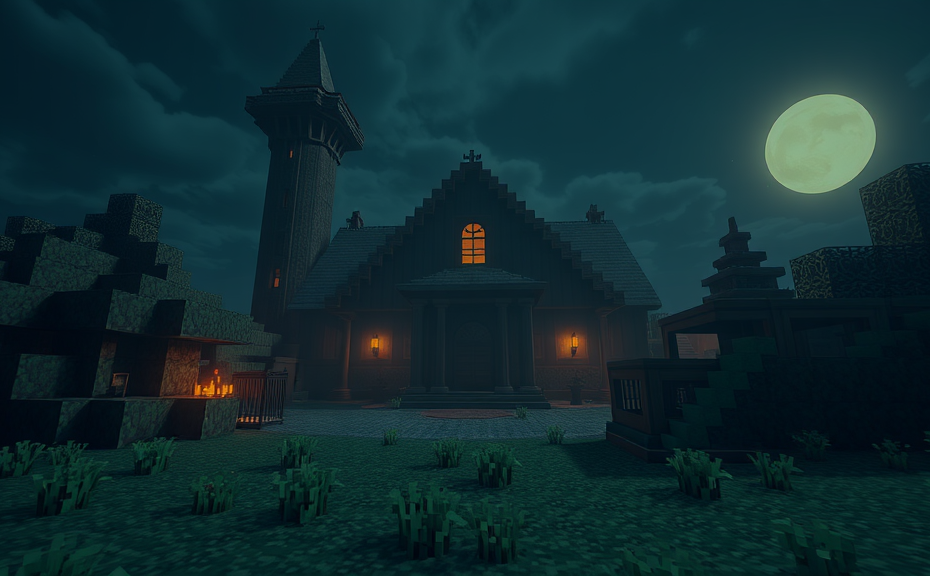
Unveiling the Dark Side: Exploring Horror Elements in Minecraft
When you think of Minecraft, you might first imagine a colorful, blocky world filled with friendly creatures and endless building possibilities. However, beneath its cheerful exterior, Minecraft harbors a darker side that can indeed evoke feelings of horror and unease. Let’s delve into how this seemingly innocent game incorporates elements that can send shivers down your spine.
Minecraft’s default mode, Survival, sets the stage for a harrowing experience. You start with nothing but your wits and the clothes on your back. As night falls, the world transforms. The peaceful daytime atmosphere gives way to a sinister landscape where hostile mobs like zombies, skeletons, and creepers emerge. These creatures, with their eerie moans and sudden attacks, can create a palpable sense of fear. The randomness of mob spawns and the unpredictable nature of their behavior add to the tension, making each night a potential survival challenge.
The Nether and the End
Moving beyond the Overworld, the Nether and the End offer even more unsettling environments. The Nether is a fiery, hellish dimension filled with lava and ominous structures like nether fortresses. Mobs like ghasts and blazes patrol this realm, adding to the already oppressive atmosphere. Ghasts’ haunting screams and the constant threat of falling into lava pits can induce a sense of dread. Meanwhile, the End presents a desolate, alien-like world dominated by the Ender Dragon. The dragon’s relentless pursuit and the dark, endless expanse of obsidian pillars create a haunting backdrop for intense battles.
Nighttime in the Overworld
Nighttime in the Overworld is when the real horror begins. The darkness not only provides cover for hostile mobs but also introduces the risk of being attacked by creepers. These explosive creatures can catch players off guard, leading to sudden, devastating destruction. The unpredictable timing and placement of creeper explosions can heighten anxiety and keep players on edge. Additionally, the sound design plays a crucial role. The distant moans of zombies and the rhythmic thumping of skeleton footsteps can create an atmosphere of impending doom.
- The random spawning of hostile mobs adds an element of surprise and unpredictability.
- The pitch-black nights force players to rely on torches and other light sources, increasing the sense of vulnerability.
- Creepers, with their silent approach and sudden explosions, can cause heart-stopping moments.
Custom Maps and Modding
While vanilla Minecraft has its share of horror elements, custom maps and mods take these to another level. Players can explore maps designed specifically to scare and unsettle them. These maps often feature intricate storylines, jump scares, and atmospheric changes that amplify the horror experience. Mods can introduce new mobs with terrifying designs and behaviors, further enhancing the game’s spooky elements. For example, some mods replace zombies with more menacing creatures or add supernatural entities that haunt players relentlessly.
Custom maps and mods allow for creative storytelling and immersive experiences. They can turn a simple survival game into a psychological thriller, complete with hidden secrets and eerie sound effects. Players who enjoy a good scare can find countless resources online to download these custom maps and mods, turning their Minecraft sessions into thrilling adventures filled with suspense and fear.
The music and sound effects in Minecraft play a significant role in setting the tone. Ambient sounds like wind howling through the trees or distant waterfalls can create a serene atmosphere during the day. However, at night, these sounds can take on a more ominous tone, contributing to the overall feeling of unease. Sound effects like zombie groans and creeper hisses are designed to startle players, making them jump out of their skins. The combination of visual and auditory cues works together to build tension and suspense, keeping players on high alert throughout the game.
For those looking to enhance their Minecraft experience with a touch of horror, there are several ways to do so. Custom maps and mods offer the most straightforward approach. Websites like Planet Minecraft and CurseForge provide a vast collection of user-created content, including horror-themed maps and mods. These resources allow players to dive into pre-made horror scenarios or tweak existing ones to suit their preferences. Additionally, players can create their own horror maps using Minecraft’s robust map-making tools. By combining creative design with clever scripting, players can craft unique horror experiences tailored to their liking.
While Minecraft may seem like a lighthearted game on the surface, it contains numerous elements that can transform it into a genuinely horrifying experience. From the unpredictable night-time threats in the Overworld to the eerie landscapes of the Nether and the End, the game offers plenty of opportunities for players to feel scared. Custom maps and mods further expand these possibilities, allowing players to create and experience truly terrifying scenarios. So, if you’re looking for a frightful adventure, Minecraft might just be the perfect place to find it.
How Minecraft’s Atmosphere Evokes Fear in Players
Minecraft, often celebrated as a sandbox game where players can build and explore freely, has a surprising undercurrent of horror elements that can unsettle even the most seasoned gamer. While it may seem like a game primarily focused on creativity and adventure, there are several aspects of Minecraft that contribute to its eerie atmosphere, making it a potential horror game for those who dare to delve deeper.
One of the most significant factors contributing to the horror element in Minecraft is its night-time gameplay. As the sun sets, the world transforms into a darker, more dangerous place. The transition from day to night can be jarring, especially when you find yourself in an unfamiliar area. The gradual descent into darkness can evoke feelings of dread, as players know that hostile mobs become more active during the night. This creates a palpable tension, reminiscent of classic survival horror games where darkness equals danger.
Exploring Dungeons and Abandoned Mineshafts
Players often venture into dungeons and abandoned mineshafts to gather valuable resources. These areas are shrouded in darkness and filled with hidden dangers, including zombies, skeletons, and cave spiders. The claustrophobic environment, combined with the constant threat of these mobs, can lead to a sense of unease. The dimly lit corridors and the occasional sounds of mobs lurking nearby add to the fear factor. Exploring these areas feels like stepping into a haunted mansion, where every corner could hold a new terror.
The Role of Sound Design
The sound design in Minecraft plays a crucial role in enhancing the horror atmosphere. Ambient noises such as the distant howls of wolves, the rustling of leaves, and the occasional screech of a creeper can make players feel constantly watched and vulnerable. These subtle sounds build a sense of paranoia, making it difficult to relax even in seemingly safe zones. The sudden appearance of a mob can be startling, especially when you’re already on edge due to the ambient sounds.
The Effect of Lighting and Shadows
The lighting system in Minecraft is another aspect that contributes to the horror elements. The limited light sources available mean that large areas remain in shadow, making it easy for mobs to ambush unsuspecting players. The flickering of torches and the glow of lava can create an unsettling visual experience, especially in underground caverns. The interplay between light and dark can make players feel like they’re in a psychological thriller, constantly trying to anticipate the next threat.
Additionally, the presence of hostile mobs like creepers, skeletons, and zombies adds a layer of danger to the game. Creepers, in particular, are notorious for their explosive attacks, which can occur unexpectedly. The sudden appearance of a creeper, accompanied by its distinctive hissing sound, can trigger a fight-or-flight response, heightening the sense of danger. Skeletons, with their bow and arrow attacks, can pick off players from a distance, adding a strategic element to the horror experience.
The Impact of Custom Maps and Mods
Custom maps and mods can further enhance the horror experience in Minecraft. Many custom maps are designed specifically to scare players, featuring elaborate traps, puzzles, and jump scares. These maps can take players through a narrative-driven horror experience, complete with haunted houses, creepy forests, and abandoned towns. Mods, on the other hand, can introduce new mobs, items, and mechanics that increase the overall level of danger. For example, some mods add supernatural entities that are much more terrifying than the default mobs, creating a more immersive horror experience.
Another aspect that contributes to the horror elements is the unpredictability of the game world. Random events such as lightning strikes, which can turn skeletons into wither skeletons, add an element of surprise and danger. Players never know when a peaceful area might suddenly turn hostile, forcing them to adapt quickly to survive. This unpredictability keeps players on their toes, making each playthrough a unique and potentially frightening experience.
The Psychological Horror Factor
Psychological horror is another element that Minecraft can incorporate. The game’s vast open world can feel isolating, especially when players are alone. The lack of human interaction can lead to a sense of loneliness and vulnerability, amplifying the fear. The game’s emphasis on survival also adds to the psychological horror, as players must constantly manage their hunger, health, and resources. This constant state of alertness can wear down players over time, leading to a more profound sense of fear.
Moreover, the game’s ability to generate infinite worlds can create a sense of helplessness. Players may find themselves lost in a seemingly endless landscape, with no clear direction or escape. This feeling of being trapped in an endless, hostile world can be deeply unsettling, reminiscent of psychological horror films where characters are trapped in a nightmarish scenario.
The Role of Player Choice
Player choice also plays a significant role in the horror elements of Minecraft. Players can choose to venture into dangerous areas, knowing full well the risks involved. This sense of agency can amplify the fear, as players are aware of the consequences of their actions. The decision to explore a dark cave or abandon a shelter at night can have dire consequences, adding a layer of tension to the gameplay.
While Minecraft is primarily known as a sandbox game, its atmospheric elements and gameplay mechanics can create a surprisingly effective horror experience. The night-time gameplay, the presence of hostile mobs, the sound design, and the unpredictable world all contribute to a game that can evoke fear in players. Whether through custom maps, mods, or player choice, Minecraft offers a unique blend of horror and survival that can keep players on the edge of their seats.
The Role of Mods in Transforming Minecraft into a Horror Experience
Minecraft has become one of the most beloved games in the world, known for its blocky landscapes and endless possibilities for creativity. However, beyond its sandbox-style gameplay, there’s a growing community that transforms Minecraft into a harrowing experience through the use of mods. These modifications can introduce elements that are far from the game’s usual light-hearted tone, turning it into a genuine horror game. Let’s explore how mods play a crucial role in this transformation.
One of the primary ways mods change Minecraft is by introducing new monsters and enemies that are much more terrifying than the standard zombies and skeletons. For instance, mods like Custom Mob Spawner allow players to spawn a variety of frightening creatures. Imagine wandering through a dark forest only to encounter a towering, shadowy figure with glowing eyes—a creature straight out of your nightmares. These mods enhance the survival aspect of Minecraft, making every corner feel potentially dangerous.
Another significant way mods alter the game is by adding atmospheric elements that heighten the sense of dread. Mods such as Savage Realism add realistic weather effects, making rainstorms more intense and thunderous, which can amplify the feeling of isolation and fear. Similarly, mods like Realistic Day/Night Cycle make nighttime darker and more foreboding, making players feel vulnerable and exposed. These changes create a more immersive and tense environment, turning what was once a playful adventure into a spine-chilling journey.
Story-driven mods also contribute to the horror experience by weaving intricate narratives that draw players into a sinister plot. Mods like The Herobrine Project introduce a mysterious and malevolent entity, similar to the urban legend of Herobrine, who haunts players relentlessly. Players must unravel the mystery behind this enigmatic figure while fending off attacks from his ghostly minions. This combination of storytelling and gameplay creates a deeply engrossing experience that keeps players on edge.
Sound design plays a crucial role in enhancing the horror atmosphere. Mods like Terrifying Soundscapes introduce unsettling audio cues, such as eerie whispers, distant screams, and creaking doors, that can suddenly break the silence. These sounds can startle players and create a palpable sense of tension, making each step feel like a potential threat. The integration of these auditory elements makes the virtual world feel alive and unpredictable, adding layers of psychological horror to the gameplay.
Environmental changes are another key factor in turning Minecraft into a horror game. Mods like Frightening Forests transform the lush greenery into twisted, nightmarish landscapes filled with gnarled trees and eerie fog. These modifications can alter the player’s perception of safety, making even familiar environments feel alien and hostile. Additionally, mods that introduce abandoned structures, like Abandoned Dungeons, can lead to discoveries that are both intriguing and terrifying, adding depth to the game’s narrative and visual landscape.
Some mods focus on psychological horror, playing with the player’s mind rather than their physical safety. Mods like Mind Games introduce surreal and disorienting experiences, such as glitching textures, inverted gravity, and hallucinatory visions. These elements challenge the player’s perception and mental stability, pushing them to question what is real within the game. Such mods create a unique form of terror, one that lingers in the player’s thoughts long after they’ve stopped playing.
Mods are instrumental in transforming Minecraft from a creative sandbox game into a thrilling horror experience. By introducing terrifying enemies, atmospheric changes, compelling stories, eerie soundscapes, and mind-bending environments, these modifications push the boundaries of what Minecraft can offer. Whether you’re exploring haunted forests, battling malevolent entities, or navigating through a psychologically unnerving world, mods enable players to dive deep into a realm where the line between reality and nightmare blurs.
So, if you’re looking to experience Minecraft in a whole new light, diving into the world of mods might just turn your peaceful block-building adventure into a bone-chilling ordeal. Embrace the darkness and see how mods can reshape your gaming experience.
Survival Mode: A Psychological Horror Game Within Minecraft
Minecraft has become a cultural phenomenon since its release, offering players a vast sandbox world where creativity knows no bounds. While many view it as a simple block-building game, there’s a darker side to Minecraft that some argue makes it a psychological horror game within its Survival Mode. This mode challenges players to survive in a harsh environment filled with hostile creatures, limited resources, and the ever-looming threat of death. Let’s delve into how Survival Mode can evoke feelings of fear and unease, making it a surprising addition to the horror genre.
Survival Mode in Minecraft places players in a procedurally generated world filled with dangers lurking around every corner. From the moment the sun sets, hostile mobs like zombies, skeletons, and creepers emerge, posing a constant threat. The darkness amplifies these fears, as players must rely on torches and other light sources to keep monsters at bay. The tension builds as night falls, and the need for shelter becomes paramount. The anticipation of what might lurk in the shadows creates a palpable sense of dread, much like classic horror films where the unknown is often more terrifying than what is seen.
The resource scarcity in Survival Mode adds another layer of psychological stress. Players must gather materials to craft weapons, tools, and shelter. Every resource is precious, and the fear of running out of essential items can lead to a constant state of anxiety. This scarcity forces players to make tough decisions, such as whether to explore dangerous areas for rare resources or stay safe in their current location. The uncertainty of whether you’ll find what you need, combined with the risk of encountering hostile mobs, can create a harrowing experience that taps into primal fears of survival.
Nighttime in Survival Mode isn’t just about fighting off monsters; it’s also about the psychological toll it takes on the player. The constant threat of attack can lead to sleep deprivation, which is known to exacerbate feelings of fear and paranoia. Players may find themselves constantly on edge, jumping at every sound and shadow. This heightened state of alertness can be exhausting, mirroring the effects of real-life stress and anxiety. The relentless pressure to stay alive can push players to the brink, blurring the lines between the game and reality.
Exploring abandoned structures and dungeons in Survival Mode can also evoke a sense of dread. These locations are often dark, cramped, and filled with traps. Venturing into these spaces requires courage and preparation, as the slightest mistake can lead to death. The atmosphere is tense, with the potential for sudden attacks from mobs hiding in the shadows. This exploration element adds a layer of mystery and danger, reminiscent of horror movies where characters must navigate creepy, unknown environments.
The concept of permadeath in Minecraft further intensifies the horror elements. When a player dies, they lose all their items and respawn at their spawn point, starting over from scratch. This can feel devastating, especially after spending hours gathering resources and building structures. The fear of losing progress can be paralyzing, adding another dimension of psychological horror to the gameplay. The stakes are high, and the consequences of failure are severe, making each decision fraught with tension.
Despite the horrors of Survival Mode, it also offers moments of relief and satisfaction. Successfully defending against a horde of mobs or finding rare resources can provide a sense of accomplishment. These moments of triumph help balance the fear, creating a rollercoaster of emotions that keeps players engaged. The contrast between fear and relief adds depth to the gaming experience, making it more immersive and memorable.
Survival Mode in Minecraft is a testament to how a seemingly simple game can tap into deep psychological fears. The combination of hostile mobs, resource scarcity, and the constant threat of death creates a unique horror experience. It challenges players to confront their fears and push through adversity, offering a blend of terror and triumph that sets it apart from traditional horror games. Whether you’re a seasoned Minecraft veteran or a newcomer to Survival Mode, the psychological horror elements are impossible to ignore.
- Hostile mobs emerge at night, increasing the sense of danger.
- Limited resources force players to make difficult decisions.
- The constant threat of attack can lead to sleep deprivation and heightened anxiety.
- Exploring abandoned structures and dungeons adds to the mystery and danger.
- Permadeath adds a layer of consequence, making each decision more impactful.
While Minecraft is often categorized as a creative and building game, Survival Mode introduces elements that transform it into a psychological horror game. The combination of hostile creatures, resource scarcity, and the constant threat of death creates a tense and frightening experience. It challenges players to face their fears and overcome obstacles, making it a unique and engaging addition to the horror genre. So, next time you dive into Survival Mode, remember that the true horror lies not just in the monsters, but in the relentless struggle for survival.
Community Stories: Real-Life Scary Experiences in Minecraft
In the vast, blocky world of Minecraft, players often find themselves immersed in a realm of creativity and adventure. However, beneath the surface of its seemingly harmless pixelated exterior, some experiences can take a decidedly eerie turn. Community stories abound with tales of real-life scary experiences within the game, transforming what is usually a light-hearted pastime into something far more chilling. These stories not only highlight the unexpected fears that can arise from within the game but also underscore how the player’s own imagination can amplify these moments.
One common source of fear comes from the game’s darker elements, particularly during the night when zombies, skeletons, and other hostile mobs roam freely. Players often recount instances where they were exploring caves or abandoned mineshafts, only to be startled by the sudden appearance of these creatures. The darkness amplifies the tension, making every shadow seem like a lurking threat. For instance, one player shared a story about venturing deep into an abandoned mineshaft, equipped with minimal resources. As they explored, the sound of distant mob movements grew louder, causing their heart to race. Suddenly, a zombie lunged out from behind a rock, triggering a fight-or-flight response that was as intense as any real-life scare.
The game’s ability to generate infinite worlds also plays a significant role in these experiences. Players can stumble upon abandoned structures, such as strongholds or villages, which often harbor hidden dangers. One player described their experience exploring a village at night. As they wandered through the empty streets, they noticed flickering lights coming from a house. Approaching cautiously, they found the door slightly ajar. Peering inside, they saw shadows moving on the walls. The suspense built up until they finally mustered the courage to enter. Inside, they discovered a ghastly sight: a mob spawner generating endless waves of hostile mobs. The realization hit them that they were trapped, and panic set in as they fought to escape.
Minecraft’s random generation of structures can lead to unexpected discoveries, sometimes revealing areas that feel more like haunted houses than safe havens. Players often share stories of finding abandoned mansions, where the eerie atmosphere is heightened by the game’s ambient sounds and the unsettling presence of illagers. One such tale involved a player who decided to explore a mansion late one evening. As they navigated the dark corridors, the sound of footsteps echoed off the walls, but no other player was online. The feeling of being watched became overwhelming, and every corner seemed to hide a new terror. Eventually, they stumbled upon a room filled with illagers, their menacing presence adding to the already palpable fear.
Another aspect that contributes to the scary experiences in Minecraft is the modding community. Mods can drastically alter the gameplay, introducing new monsters, scenarios, and environments that are far more sinister than the default content. One player recounted playing a modded version of the game that introduced a new mob called the “Shadow Walker.” These creatures were silent, appearing out of nowhere and moving swiftly, making them nearly impossible to detect until it was too late. The player shared a harrowing experience where they were exploring a forest at night, and out of the blue, a Shadow Walker appeared right next to them. The suddenness of the encounter left them shaken, and the memory lingered long after they had exited the game.
Furthermore, the multiplayer aspect of Minecraft can add another layer of fear. Playing with friends can either alleviate or intensify the scares, depending on the situation. One player described a multiplayer session where they and their friends decided to explore a dungeon together. As they ventured deeper, the atmosphere grew increasingly tense. Suddenly, a loud noise echoed through the cavern, causing everyone to freeze. A moment later, a group of skeletons emerged from the darkness, leading to a frantic battle for survival. The collective fear among the players made the experience even more terrifying, as they relied on each other for support and strategy.
The psychological impact of these experiences shouldn’t be underestimated. Many players report that the scariest moments in Minecraft aren’t necessarily the encounters with monsters but rather the anticipation and the unknown. The game’s ability to create an environment where danger lurks around every corner can lead to heightened anxiety and paranoia. One player shared how they found themselves constantly checking over their shoulder, even when playing alone, as the memories of past encounters continued to haunt them.
Ultimately, while Minecraft is primarily known as a sandbox game where players can build and explore freely, it also offers a platform for experiencing genuine frights. Whether it’s due to the game’s default mechanics, the modding community, or the multiplayer experience, these scary stories highlight the game’s capacity to evoke real emotions and fears. For many players, these moments of terror become a testament to the game’s ability to transcend its pixelated facade and tap into the primal human responses to fear and danger.
Conclusion
Minecraft, often seen as a family-friendly sandbox game, reveals its darker side through various elements that can indeed evoke genuine fear and unease. From the eerie atmosphere in abandoned mineshafts to the psychological tension of Survival Mode, players can experience horror even within its colorful world. Mods further amplify this by introducing terrifying creatures and scenarios that turn the game into a full-fledged horror experience. Real-life stories shared by the community also highlight how the game can tap into our primal fears. Whether intentional or not, Minecraft’s ability to induce fear speaks to its versatility and depth, proving that it’s more than just blocks and building—it’s a canvas for both creativity and terror. So, while Minecraft may not be a traditional horror game, it certainly has the power to make your heart race and your imagination run wild.