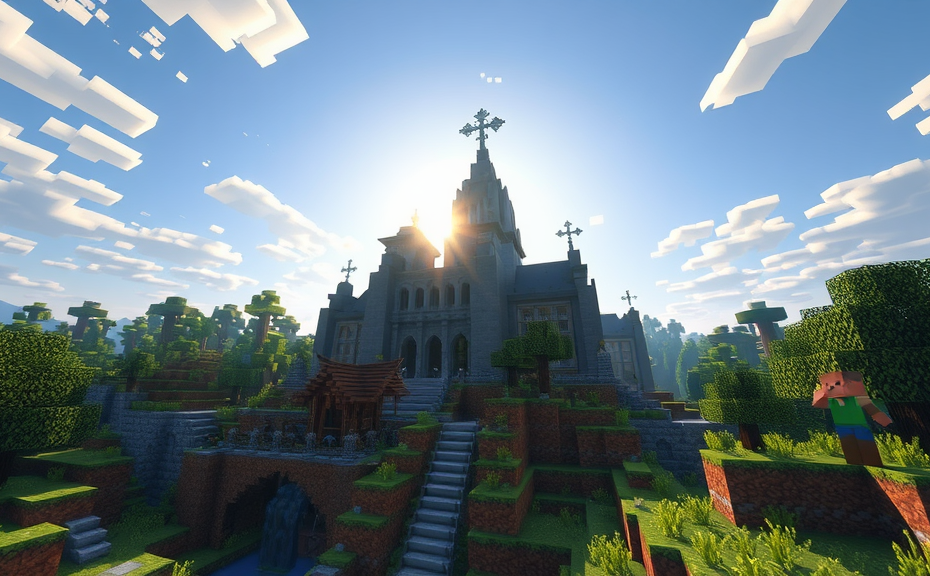
Benefits and Risks of Allowing Children to Play Minecraft
Minecraft has become one of the most popular games among children, offering a vast open world where creativity and exploration thrive. As a parent, deciding whether to let your child play Minecraft involves considering both the potential benefits and risks. Here’s a closer look at what you need to know.
One of the primary benefits of Minecraft is its ability to foster creativity. Players can build structures, landscapes, and even entire cities using blocks. This hands-on approach to building and designing helps develop spatial reasoning and problem-solving skills. It also encourages imagination, as kids can create worlds limited only by their creativity.
Academic Benefits
Minecraft can also enhance learning in academic areas. For instance, the game includes elements of geometry and physics as players construct buildings and bridges. Additionally, it can teach basic coding through its “Redstone” feature, which allows players to create simple circuits and mechanisms. Some schools have even incorporated Minecraft into their curriculum to make learning more interactive and engaging.
Enhanced Collaboration
Minecraft supports multiplayer modes, allowing children to play with friends online. This collaborative aspect can help children learn teamwork and communication skills. Working together to achieve goals in the game can translate into better collaboration in real-life situations, such as group projects at school.
Social Interaction
Playing Minecraft online can also help shy or socially anxious children interact with peers in a low-pressure environment. They can chat and cooperate without the stress of face-to-face interactions, gradually building confidence that may spill over into other areas of life.
Risks Involved
While Minecraft offers numerous benefits, there are also risks to consider. One major concern is exposure to inappropriate content or behavior. Although the game itself is rated E10+ (Everyone 10 and older), some players may encounter bullying or harassment in multiplayer environments. Parents should monitor their children’s online interactions and set appropriate privacy settings to minimize these risks.
- Ensure children understand the importance of reporting any negative experiences.
- Consider using parental control software to restrict access to certain features or time spent playing.
- Encourage children to use their real names when playing online to ensure transparency.
Screen Time Concerns
Another risk is excessive screen time. While Minecraft can be educational, it’s important to balance gameplay with other activities like outdoor play, reading, and socializing. Setting clear limits on daily screen time can help prevent addiction and promote a healthy lifestyle.
- Set a daily limit on how much time your child can spend playing Minecraft.
- Encourage regular breaks to stretch, move around, and engage in other activities.
- Model good screen habits yourself; children often mimic their parents’ behavior.
Privacy and Security
Minecraft accounts require login credentials, which can pose a security risk if not managed properly. Teach your children about the importance of strong passwords and avoid sharing personal information with strangers. Regularly updating the game and using secure networks can also help protect against potential threats.
- Use strong, unique passwords for Minecraft accounts.
- Regularly update the game to the latest version.
- Be cautious about connecting to public Wi-Fi networks while playing.
Minecraft can be a valuable tool for learning and development when used responsibly. By understanding both the benefits and risks, parents can make informed decisions about their children’s gaming habits. With proper guidance and supervision, Minecraft can be an enjoyable and enriching experience that fosters creativity, collaboration, and critical thinking.
Educational Value of Minecraft for Young Learners
Minecraft has become one of the most popular video games among young learners, and its educational value cannot be overlooked. This game offers a unique blend of creativity, problem-solving, and collaboration, making it an excellent tool for educators and parents looking to enhance their children’s learning experiences.
Developing Critical Thinking Skills
Minecraft encourages players to think critically and solve problems in real-time. When building structures or solving puzzles within the game, children are forced to plan ahead, consider multiple solutions, and adapt to unexpected challenges. These skills translate well into academic settings where critical thinking is essential for success across various subjects.
- Building structures requires spatial reasoning and planning.
- Solving puzzles enhances logical thinking and analytical skills.
Fostering Creativity and Imagination
The open-world environment of Minecraft allows children to unleash their creativity. They can build anything from simple houses to intricate cities, all while using their imagination to design and construct these virtual worlds. This freedom to explore and create fosters a sense of innovation and artistic expression.
- Children can design and decorate their own spaces.
- They can collaborate with others to create shared projects.
Enhancing Collaboration and Social Skills
Minecraft also promotes teamwork and social interaction. Many children play Minecraft in multiplayer mode, which requires communication and cooperation. This collaborative aspect helps develop important social skills such as sharing, negotiating, and resolving conflicts.
- Players can work together to complete tasks and build structures.
- Communication skills are enhanced through chatting and coordinating actions.
Teaching Basic Programming Concepts
With the addition of the Redstone feature, Minecraft introduces basic programming concepts to young learners. Redstone allows players to create circuits and simple machines, providing a hands-on way to understand logic gates, switches, and other foundational elements of computer science. This makes Minecraft an effective tool for introducing children to coding and technology.
- Redstone helps children understand basic electrical circuits.
- It introduces concepts like logic gates and Boolean algebra.
Improving Mathematical Skills
Minecraft provides numerous opportunities for children to practice and apply mathematical concepts. Building structures involves measurements, geometry, and even some algebra. The game’s economy system, which includes buying and selling items, also reinforces understanding of basic arithmetic and financial management.
- Measuring and constructing buildings reinforces geometry and measurement skills.
- Trading resources helps children grasp basic economic principles.
Encouraging Exploration and Discovery
The vast world of Minecraft is filled with diverse biomes, animals, and hidden treasures. Exploring this world encourages curiosity and discovery, key components of a growth mindset. Children learn to navigate different environments, identify patterns, and experiment with new ideas, all of which contribute to their overall development.
- Diverse biomes encourage exploration and adaptation.
- Hidden treasures inspire a sense of adventure and discovery.
Promoting Environmental Awareness
Minecraft’s various biomes and ecosystems offer a platform for discussing environmental topics. By interacting with different environments, children can learn about conservation, sustainability, and the importance of protecting natural habitats. This exposure can spark an interest in environmental science and related fields.
- Exploring different biomes raises awareness about ecosystems.
- Interacting with animals can teach about biodiversity and conservation.
Minecraft offers a multitude of educational benefits for young learners. From developing critical thinking and creativity to fostering social skills and teaching programming concepts, the game serves as a versatile tool for enhancing various aspects of a child’s education. By integrating Minecraft into learning activities, educators and parents can create engaging and effective learning experiences that prepare children for future challenges.
Balancing Screen Time: Integrating Minecraft with Other Activities
When considering whether to let your child play Minecraft, it’s essential to think about how screen time fits into their overall routine. Balancing screen time with other activities can help ensure that your child develops a healthy relationship with technology while still enjoying the benefits of outdoor play, social interaction, and creative pursuits.
To strike the right balance, start by setting clear guidelines on when and how long your child can play Minecraft each day. For instance, you might allow 30 minutes of screen time after homework is completed, or limit gaming to weekends only. This approach helps prevent excessive screen time and encourages responsibility.
Creating a Balanced Schedule
Developing a balanced schedule is key. Here’s a sample daily schedule that integrates Minecraft with other activities:
- Morning Routine: Wake up, get dressed, breakfast, and prepare for school.
- School Hours: Focus on learning during the school day.
- Afterschool Activities: Engage in sports, music lessons, or other hobbies for an hour or two.
- Homework Time: Dedicate one to two hours to complete homework.
- Dinner: Spend time together as a family.
- Screen Time: Allow 30 to 60 minutes for Minecraft after completing homework.
- Outdoor Play: Encourage at least an hour of outdoor play, weather permitting.
- Reading Time: Set aside 30 minutes for reading a book or other offline activities.
- Bedtime Routine: Wind down with a bedtime story or quiet activity before sleep.
Encouraging Diverse Interests
It’s important to encourage your child to explore diverse interests beyond Minecraft. Introduce them to new activities like painting, building models, or learning a musical instrument. These activities can enhance their creativity and problem-solving skills in different ways than Minecraft does. For example, playing an instrument can improve their hand-eye coordination and understanding of rhythm, while drawing can boost their artistic expression and spatial reasoning.
Setting Boundaries for Screen Time
While Minecraft can be educational and fun, it’s crucial to set boundaries. Limit the amount of time spent on screens, especially during weekdays when academic responsibilities are higher. Consider using parental controls or apps that track screen time to help manage usage. Communicate openly with your child about why these limits are necessary and involve them in setting reasonable goals.
Engaging in Co-Play
Playing Minecraft together with your child can be a great way to bond and understand their interests better. It also allows you to monitor their gameplay and discuss any concerns. During co-play sessions, you can teach them about teamwork, strategic planning, and digital citizenship. For example, you might work together to build a community or solve complex puzzles within the game. This collaborative approach not only strengthens your relationship but also provides valuable learning opportunities.
Exploring Real-World Connections
Help your child connect their virtual experiences in Minecraft to real-world scenarios. Discuss how the skills they develop in-game—such as resource management, critical thinking, and collaboration—can apply to everyday life. You could create projects that mirror some of the game’s challenges, like designing a garden layout or planning a family event. This connection reinforces the idea that learning happens both online and off.
Involving Family and Friends
Encourage your child to play Minecraft with friends or family members. Multiplayer modes can foster social skills and teamwork. Organize playdates where kids can collaborate on building projects or compete in friendly challenges. This not only enhances their social interactions but also adds a fun dimension to their gaming experience. Make sure to balance these sessions with other social activities, like going to the park or having a board game night.
By integrating Minecraft with a variety of activities, you can help your child develop a well-rounded set of skills and interests. This balanced approach ensures that they enjoy the benefits of digital play while also thriving in other areas of their life.
Choosing the Right Age for Introducing Minecraft to Kids
When it comes to introducing children to video games, parents often wonder about the right age to start. One popular game that frequently arises in these discussions is Minecraft. Minecraft is known for its creativity, exploration, and problem-solving elements, which can be both educational and entertaining. However, deciding when your child is ready to play Minecraft involves considering several factors.
Minecraft offers different modes, including Survival Mode, Creative Mode, Adventure Mode, and Spectator Mode. Each mode has its own set of challenges and opportunities. For instance, Survival Mode can be quite challenging, requiring players to manage resources, build shelter, and fend off hostile creatures. On the other hand, Creative Mode allows players unlimited resources and the ability to fly, making it more focused on building and designing structures.
Age Considerations
While there is no one-size-fits-all answer, many experts recommend waiting until children are around 7 to 8 years old before introducing them to Minecraft. At this age, kids generally have better cognitive skills, allowing them to understand the game’s mechanics and objectives more easily. Younger children might find the game too complex or overwhelming.
Developmental Stages
Introducing Minecraft at the appropriate developmental stage is crucial. Children aged 7 to 8 are typically in the middle elementary school years. During this time, they are developing their critical thinking and problem-solving skills, which Minecraft can help enhance. For example, building structures requires planning and spatial awareness, while surviving in Survival Mode encourages strategic thinking and resource management.
Supervision and Guidance
Even if your child is within the recommended age range, close supervision is essential. Parents should monitor their child’s gameplay to ensure they are comfortable with the game and not encountering any inappropriate content. Setting boundaries and discussing online safety with your child is also important. This includes talking about the importance of not sharing personal information and being cautious about interacting with strangers.
Benefits of Playing Minecraft
Minecraft offers numerous benefits for children. One of the most significant advantages is its ability to foster creativity. Players can build virtually anything they imagine, from simple houses to elaborate cities. This creative freedom can boost a child’s imagination and inspire them to think outside the box.
Educational Value
Minecraft also has educational value. It can teach children about geometry, physics, and even coding through its Redstone feature. The game encourages exploration and experimentation, which can help develop scientific thinking. Moreover, playing with friends or family members can improve social skills and teamwork.
Setting Boundaries
Like any activity, moderation is key. Establishing clear rules around screen time and gameplay can help prevent excessive gaming. For example, setting a daily limit on how much time your child spends playing Minecraft can ensure they balance their gaming with other activities like outdoor play, reading, or homework.
Parental Controls
Using parental controls can also be beneficial. Many platforms allow parents to set restrictions on gameplay, such as limiting access to certain modes or blocking multiplayer interactions. These tools can provide peace of mind and help parents maintain control over their child’s gaming experience.
Encouraging Healthy Gaming Habits
Teaching your child healthy gaming habits from the start is important. Encourage breaks during long gaming sessions to avoid eye strain and fatigue. Promote physical activity by balancing screen time with outdoor play. Additionally, fostering a positive attitude towards gaming can help your child enjoy the experience without becoming overly dependent on it.
Exploring Together
Playing Minecraft with your child can be a fun way to bond and learn together. Engaging in the game alongside your child can help you understand their interests and challenges. It also provides an opportunity to guide them through difficult parts of the game, reinforcing the idea that learning and problem-solving can be enjoyable.
Deciding when to introduce your child to Minecraft depends on various factors, including their age, developmental stage, and your comfort level as a parent. By considering these aspects and providing guidance and supervision, you can ensure that your child enjoys the many benefits of Minecraft while staying safe and balanced.
Parental Guidance While Children Play Minecraft: Tips and Strategies
When considering whether to let your child play Minecraft, it’s important to approach it with a thoughtful mindset. Minecraft can be a valuable tool for learning and creativity, but like any activity, it requires guidance. Here are some tips and strategies to help you navigate parental involvement while your child plays Minecraft.
Setting Clear Boundaries
- Time Limits: Establish a set amount of time each day for playing Minecraft. This helps prevent excessive screen time and ensures a balanced routine.
- Content Filters: Use parental controls to filter out inappropriate content. Many gaming platforms offer settings that allow you to restrict access to certain features or mods.
- Supervised Play: Start by playing alongside your child. This not only helps you understand the game better but also gives you a chance to monitor their interactions and behavior.
Encouraging Positive Interaction
Minecraft offers a multiplayer mode where children can interact with others online. It’s crucial to teach them about online safety and etiquette. Talk to your child about the importance of being kind and respectful to other players. Encourage them to report any inappropriate behavior they encounter.
Teaching Digital Citizenship
Help your child understand the concept of digital citizenship. Explain that their actions in the game reflect who they are as individuals. Teach them to avoid sharing personal information with strangers and to choose usernames that don’t reveal too much about themselves.
Exploring Educational Opportunities
Minecraft can be a powerful educational tool. It teaches problem-solving skills, creativity, and even some basic coding. Engage with your child’s experiences by asking questions about what they’ve built or learned. You might find yourself discussing architecture, history, or physics without even realizing it.
Creating a Safe Environment
- Secure Devices: Make sure all devices used for playing Minecraft are secure. Install antivirus software and keep operating systems updated to protect against malware.
- Regular Check-Ins: Periodically join your child during gameplay sessions. This keeps you informed about their experience and allows you to address any concerns immediately.
- Open Communication: Maintain open lines of communication. Encourage your child to share their thoughts and feelings about the game. This can help you understand their interests and challenges.
Joining Minecraft Communities
Consider joining Minecraft communities or forums. These can be great resources for finding safe multiplayer servers and connecting with other parents. Participating in these communities can also give you insights into common issues and solutions related to parenting in the digital age.
Monitoring In-Game Purchases
Be aware of in-game purchases. Some versions of Minecraft allow players to buy additional items or skins. Set up parental controls to restrict these purchases and discuss with your child why it’s important to manage money wisely.
Supporting Creative Expression
Minecraft is a sandbox game that encourages creativity. Support your child’s creative projects by showing genuine interest. Offer constructive feedback and praise their efforts. This can boost their confidence and encourage them to explore more complex builds.
Engaging with Real-World Activities
- Outdoor Time: Balance screen time with outdoor activities. Encourage your child to spend time outside, play sports, or engage in other hobbies.
- Family Game Nights: Organize family game nights where everyone can participate in a variety of games, including Minecraft. This can strengthen family bonds and create shared experiences.
- Reading and Writing: Use Minecraft as a springboard for other activities. Encourage your child to read books about architecture, science, or history. You could also have them write stories or journal entries inspired by their Minecraft adventures.
By implementing these strategies, you can ensure that your child has a positive and enriching experience with Minecraft. Remember, the key is to stay involved, communicate openly, and support their growth both in and out of the game.
Conclusion
Ultimately, deciding whether to let your child play Minecraft involves weighing its benefits against potential risks and finding a balance that suits your family. Minecraft offers significant educational value by fostering creativity, problem-solving skills, and collaboration. However, it’s crucial to manage screen time effectively, integrating Minecraft with other activities like outdoor play and reading. Introduce the game at an appropriate age when your child can understand its rules and boundaries. Always maintain parental guidance, setting clear limits and monitoring their gameplay. By doing so, you can ensure that Minecraft becomes a fun, enriching part of your child’s development rather than a source of concern. Remember, the key is moderation and engagement—play alongside them, and you’ll find that Minecraft can be a wonderful tool for learning and growth.