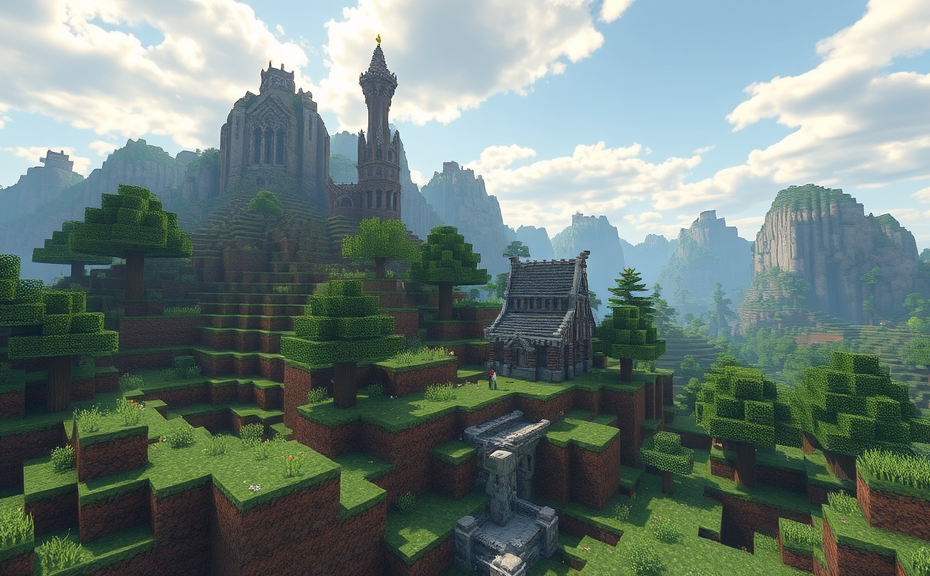
Common Causes of Lag in Minecraft and How to Fix Them
Optimizing Your Minecraft Experience: Advanced Settings for Less Lag
In the vast world of Minecraft, experiencing lag can be frustrating, especially when you’re in the middle of an epic battle or building your dream castle. Lag can stem from various factors, including hardware limitations, server issues, or even how the game settings are configured. By optimizing your Minecraft experience with advanced settings, you can significantly reduce lag and enjoy smoother gameplay.
To start, let’s dive into some key settings that can help minimize lag:
Graphics Settings
Graphics Mode: Minecraft offers several graphics modes, including Fast, Fancy, and Fast (No Caves). If you’re experiencing lag, switching to Fast mode can help. This setting reduces the complexity of blocks and particles, which can lighten the load on your GPU. However, you might notice a less vibrant environment.
Render Distance
The render distance determines how far the game renders chunks around your character. A higher render distance means more chunks to process, leading to more lag. Try reducing the render distance to 4-8 chunks, depending on your system capabilities. This change can significantly boost performance, especially in large open worlds.
Entity and Item Rendering
Entity Activation Range: This setting controls how close entities need to be before they become active. Lowering this value can help reduce lag, as fewer entities require processing. You can adjust this in the Advanced options under Video Settings.
Particle Effects
Particle effects, like fire, water, and explosions, add visual flair but can also contribute to lag. Turning off certain particle effects can help. In the Options menu, navigate to Video Settings, then select Particles and choose a lower setting like Minimal or Reduced.
World Settings
Chunk Loading: World settings can impact lag, particularly in large, populated areas. Reducing the number of chunks loaded around your character can help. In the World Options, you can adjust settings like View Distance and Player Load Distance to optimize performance.
Lighting Mode
Minecraft supports different lighting modes, including Smooth Lighting and Fast Lighting. Smooth lighting provides better visuals but requires more processing power. Switching to Fast Lighting can reduce lag while maintaining adequate visibility.
Performance Tweaks
Biome Blend: Biomes are areas with distinct terrain features. Disabling biome blending can help reduce lag, especially in biomes with complex structures. In the World Options, turn off Biome Blend to simplify rendering.
Chunk Builder Threads
Increasing the number of threads used for chunk loading can help distribute the workload across multiple CPU cores. This can be found in the Advanced settings under System. Adjusting this setting can lead to smoother gameplay, especially in large, populated areas.
Hardware Considerations
While software settings can help, your hardware plays a crucial role in reducing lag. Ensure your computer meets the minimum requirements for running Minecraft smoothly. Updating drivers for your GPU and CPU can also improve performance.
Monitor Your Performance
Using tools like FPS Display can help you monitor your game’s performance. This feature shows your frames per second (FPS), allowing you to see how changes in settings affect your gaming experience. Keeping an eye on your FPS can guide you in making further adjustments.
Server-Side Optimization
If you’re playing on a multiplayer server, server-side optimization can also play a role in reducing lag. Check with the server administrators to ensure they are using efficient plugins and configurations. Some servers offer dedicated lag-reduction settings that can enhance your experience.
Network Latency
Network latency can cause lag, especially in online multiplayer games. Ensure you have a stable internet connection and consider using a wired connection instead of Wi-Fi. This can help reduce lag caused by network instability.
By tweaking these settings and considering hardware upgrades, you can significantly reduce lag in Minecraft. Remember, the key is to balance visual fidelity with performance. Experiment with different settings to find the perfect configuration for your system.
Whether you’re exploring vast landscapes or battling fierce mobs, a smooth gaming experience is essential. With these advanced settings, you can optimize your Minecraft world and enjoy the game to its fullest potential. Happy crafting!
The Impact of Server Load on Minecraft Performance and What You Can Do
Minecraft, a beloved sandbox game, can sometimes experience frustrating lags that disrupt gameplay. One of the most common reasons for this lag is server load. Understanding how server load affects your game and learning how to mitigate these issues can significantly enhance your gaming experience.
When you join a multiplayer game on Minecraft, you’re connecting to a server that manages the world and other players. If too many players join the same server, or if the server is running tasks that require a lot of processing power, it can become overloaded. This overload results in increased latency and reduced performance for everyone connected to that server. Symptoms of a heavily loaded server include slow movement, delayed block updates, and frequent disconnections.
Understanding Server Load
Servers handle multiple tasks simultaneously, including updating the game world, managing player interactions, and maintaining the game’s physics. When a server has too many players or complex structures, it struggles to keep up with these demands. Here’s how server load impacts your Minecraft experience:
- Increased Latency: As the server processes more data, the time it takes for information to travel between the server and your device increases. This delay causes actions in the game to feel sluggish.
- Reduced Frame Rate: A heavily loaded server can cause your game to drop frames, leading to choppy visuals and less responsive controls.
- Server Crashes: In extreme cases, the server might crash due to overloading, causing you to lose connection and potentially your progress.
Signs of a Laggy Server
Recognizing the signs of a laggy server early can help you take action to improve your gameplay. Common indicators include:
- Characters moving slowly or teleporting unexpectedly.
- Blocks taking longer than usual to update or break.
- Frequent disconnections or error messages.
- General slowness in the game environment, like water flowing slower than expected.
Tips to Improve Server Load Issues
There are several steps you can take to reduce server load and improve your Minecraft experience:
- Optimize Your Game Settings: Lowering graphics settings, reducing render distance, and turning off certain features like particles can help reduce the amount of data the server needs to process.
- Choose Less Crowded Servers: Opt for servers with fewer players to reduce the overall load. Popular servers tend to be busier and thus more prone to lag.
- Update Your Mods: If you’re using mods, ensure they are up to date. Outdated mods can cause additional strain on the server.
- Contact Server Administrators: Reach out to the administrators of the server you’re using. They may be able to optimize their server configuration or address any underlying issues.
- Play Single Player: If the problem persists, consider playing in single-player mode where you control the server environment and can avoid the issues associated with multiplayer.
By understanding the impact of server load on Minecraft performance, you can take proactive steps to minimize lag and enjoy a smoother gaming experience. Whether through optimizing your settings, choosing less crowded servers, or reaching out to server administrators, there are multiple ways to address and alleviate lag issues.
Remember, the goal is to have fun and enjoy the game. By addressing server load issues, you can focus on building, exploring, and enjoying the vast worlds that Minecraft offers.
Hardware Requirements for Smooth Minecraft Gameplay
Playing Minecraft smoothly requires a balance between hardware capabilities and software demands. Here’s how you can ensure your setup meets the necessary requirements:
Processor (CPU)
A fast CPU is essential for smooth gameplay in Minecraft. Aim for a quad-core processor with a minimum clock speed of 2.5 GHz. If you’re planning to run more demanding mods or resource packs, consider a higher-end CPU like Intel’s i5 or i7, or AMD’s Ryzen 5 or 7 series.
Memory (RAM)
Minecraft benefits greatly from ample RAM. For basic gameplay, 4 GB is the minimum requirement, but 8 GB is recommended for a smoother experience. If you plan to run multiple resource packs, add-ons, or mods, 16 GB of RAM is ideal to avoid lag and ensure responsive gameplay.
Graphics Card (GPU)
The graphics card plays a crucial role in rendering the game world. Integrated GPUs found in most laptops may struggle with high settings. For a better gaming experience, opt for a dedicated GPU with at least 2 GB of VRAM. Popular choices include NVIDIA’s GTX 1050 Ti or AMD’s Radeon RX 570.
Storage
Having sufficient storage is important, but the type of storage can also impact performance. SSDs (Solid State Drives) offer faster load times compared to HDDs (Hard Disk Drives). If possible, install Minecraft on an SSD for quicker loading and smoother gameplay.
Operating System
Ensure your operating system is up to date. Both Windows and macOS support Minecraft, but keep your OS updated to benefit from the latest performance optimizations. For Windows users, Windows 10 is recommended due to its compatibility with the latest updates and features.
Java vs Bedrock Edition
Choosing the right version of Minecraft can also affect performance. Java Edition offers more customization options and is preferred by modders, but it can be more demanding on hardware. Bedrock Edition, available on multiple platforms, is generally less resource-intensive and provides a more streamlined experience.
- Java Edition: Offers extensive customization and mod support but requires better hardware.
- Bedrock Edition: Suitable for players who prefer a simpler, cross-platform experience with fewer resource demands.
Additional Tips for Reducing Lag
- Close Background Applications: Running other applications can consume valuable resources. Close unnecessary programs to free up RAM and CPU power.
- Adjust In-Game Settings: Lowering render distance, reducing view distance, and turning off unnecessary graphical effects can help reduce lag.
- Update Drivers: Keeping your graphics card drivers up to date ensures optimal performance. Check the manufacturer’s website for the latest drivers.
- Optimize Mods: If you use mods, ensure they are compatible with your hardware. Some mods can be resource-heavy, so choose carefully or disable them if needed.
- Check for Malware: Malicious software can slow down your system. Run regular scans to ensure your system is clean.
By ensuring your hardware meets these requirements and following these tips, you can enjoy a smoother, more enjoyable Minecraft experience. Whether you’re building, exploring, or battling, having the right setup will enhance your gameplay significantly.
Troubleshooting Network Issues That Cause Lag in Multiplayer Minecraft Worlds
Minecraft can be a lot of fun when played with friends in multiplayer worlds, but network issues can cause lag that ruins the experience. If you’re experiencing lag in multiplayer Minecraft, it’s important to troubleshoot the network issues to get back to the action. Here’s how you can tackle these problems:
First, let’s understand what causes lag in multiplayer Minecraft. Lag typically occurs due to high latency, low bandwidth, or unstable connections. These issues can stem from various sources, including your internet service provider (ISP), router settings, or even the server hosting the game.
Check Your Internet Connection
1. Test Your Speed: Start by testing your internet speed. You can use free tools like SpeedTest.net to measure your upload and download speeds. Make sure they meet the minimum requirements for playing Minecraft smoothly. For instance, a stable connection of at least 3 Mbps for downloads and 0.5 Mbps for uploads is recommended.
2. Verify Stability: Check for stability by running a few tests over an extended period. Unstable connections can cause sudden drops in performance during gameplay.
Optimize Your Router Settings
1. Update Firmware: Ensure your router’s firmware is up to date. Manufacturers often release updates to fix bugs and improve performance.
2. Change Channels: If you live in a densely populated area, there might be interference from other Wi-Fi networks. Switching to a less crowded channel can help reduce lag. Most routers allow you to change channels through their settings page.
3. Enable Quality of Service (QoS): QoS prioritizes traffic, ensuring that critical applications like Minecraft get the bandwidth they need. Access your router’s settings and look for QoS options to enable and configure it.
Examine Your ISP and Server Issues
1. Contact Your ISP: Sometimes, the problem lies with your ISP. Reach out to them to see if there are any known issues affecting your area. They may also provide troubleshooting tips or escalate the issue if necessary.
2. Investigate Server Performance: If the lag persists, it could be due to the server you’re connected to. Check if other players are experiencing similar issues. You can also try connecting to different servers to see if the problem follows you.
Tweak Minecraft Settings
1. Adjust Graphics Settings: Lowering the graphics settings in Minecraft can help reduce lag. Go to Options > Video Settings and adjust the render distance and view distance to lower values.
2. Limit Resource Packs: Heavy resource packs can slow down your game. Consider switching to lighter packs or disabling them entirely to see if performance improves.
3. Optimize Mods: If you use mods, ensure they are optimized for your system. Some mods can significantly impact performance, so disable or update them as needed.
Restart Devices and Clear Cache
1. Restart Router and Modem: A simple restart can clear temporary issues. Turn off your router and modem, wait for a minute, then turn them back on.
2. Clear Cache Files: Clearing cache files can help free up space and improve performance. In Minecraft, go to %appdata%\.minecraft\saves and delete old save files or resource packs that you no longer use.
Seek Community Help
If none of these steps resolve the issue, consider reaching out to the Minecraft community for additional support. Forums like Reddit or the official Minecraft forums can be valuable resources where experienced players share solutions and tips.
By following these troubleshooting steps, you should be able to identify and address the network issues causing lag in your multiplayer Minecraft world. Remember, patience and persistence are key—sometimes it takes a bit of detective work to pinpoint the exact cause.
Conclusion
Navigating the world of Minecraft should be a smooth and enjoyable experience, but encountering lag can be frustrating. By understanding the common causes of lag, such as high server loads and network issues, you can take proactive steps to fix them. Tweaking advanced settings within the game and ensuring your hardware meets the necessary requirements can make a significant difference. Regularly updating your software and checking your network connections can also prevent unexpected hiccups. With these strategies in place, you’ll find yourself immersed in the blocky universe without interruptions. Remember, a little maintenance goes a long way in enhancing your gameplay. Enjoy building, exploring, and crafting in a seamless environment tailored to your needs.