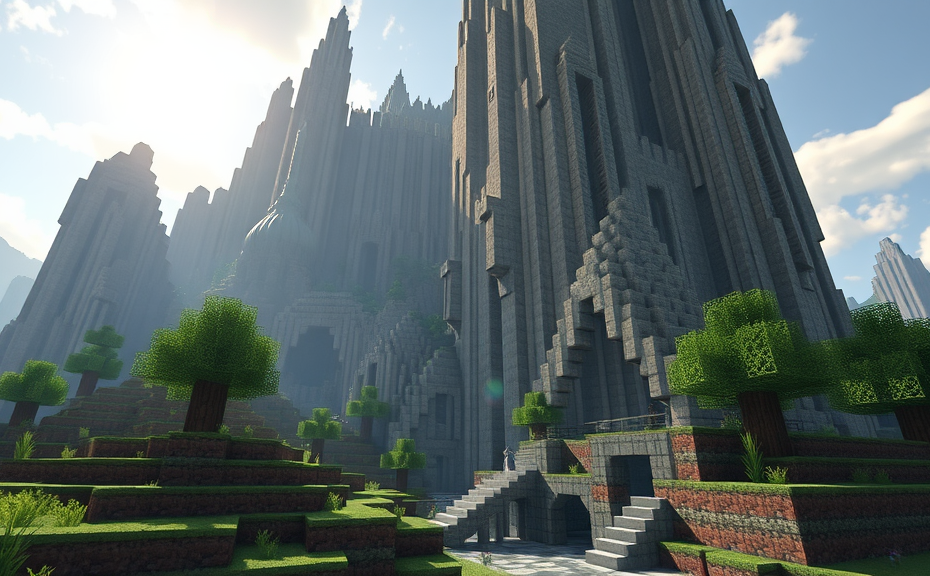
Minecraft can sometimes feel frustratingly slow, especially when you’re trying to explore vast landscapes or build intricate structures. If you’ve noticed that your Minecraft game is experiencing lag, you’re not alone. Lag in Minecraft can stem from various factors, including hardware limitations, software conflicts, and even settings within the game itself. Understanding these causes can help you take steps to reduce lag and enhance your gaming experience.
One of the most common reasons for lag in Minecraft is the hardware you’re using. If your computer or device doesn’t meet the minimum requirements for running the game smoothly, you may encounter performance issues. Minecraft requires a decent amount of RAM and a powerful graphics card to handle its expansive worlds and complex textures. If your device struggles to keep up, it might result in lag. To address this, consider upgrading your hardware. Adding more RAM or getting a better graphics card can significantly boost your game’s performance.
Another factor contributing to lag is the version of Minecraft you’re playing. Older versions of the game may not be optimized for modern hardware, leading to slower performance. Updating to the latest version can often resolve many of these issues. Additionally, mods and add-ons can also affect your game’s performance. While they add new features and functionalities, some mods can be resource-heavy and may cause lag. It’s advisable to disable or remove any non-essential mods to see if this improves your game’s speed.
Your in-game settings play a crucial role in how smoothly Minecraft runs. High-quality graphics settings, such as high-resolution textures and detailed models, can look stunning but put a strain on your system’s resources. Lowering these settings can help reduce lag. For instance, adjusting the render distance to a lower setting, reducing the number of particles, and lowering the graphics quality can make a noticeable difference. These changes won’t compromise the overall experience too much but can greatly enhance performance.
The world you’re exploring can also impact lag. Large, complex worlds with numerous blocks and entities can slow down your game. If you find yourself in a particularly laggy area, try to minimize the number of blocks and entities around you. Removing unnecessary items from your inventory, reducing the number of mobs, and simplifying the environment can help. Moreover, if you’re hosting a multiplayer server, ensure that the server has enough resources to handle the number of players and the complexity of the world.
Network issues can also contribute to lag, especially in multiplayer environments. A weak internet connection can cause delays and stuttering, making the game feel unresponsive. Ensure that your network is stable and has sufficient bandwidth. You can test your internet speed using online tools and contact your service provider if needed. Additionally, using a wired connection instead of Wi-Fi can provide a more stable and faster connection, reducing lag.
Outdated drivers can be a hidden culprit behind lag. Graphics drivers, in particular, need to be updated regularly to ensure optimal performance. Visit the manufacturer’s website to download the latest drivers for your graphics card and other hardware components. Keeping your operating system and Minecraft itself up to date is also essential, as updates often include performance improvements and bug fixes.
To summarize, lag in Minecraft can be caused by a variety of factors ranging from hardware limitations to in-game settings and network issues. By understanding these causes, you can take proactive steps to minimize lag. Upgrading your hardware, updating your software, tweaking in-game settings, and ensuring a stable network connection can all contribute to a smoother gaming experience. Don’t let lag hold you back; take control of your gaming environment and enjoy a seamless Minecraft adventure.
If you’ve tried these solutions and still experience lag, consider reaching out to the Minecraft community forums or support channels for additional advice. Sometimes, troubleshooting together can lead to discovering unique solutions that work best for your setup.
Minecraft can sometimes feel frustratingly slow, especially when you’re eagerly exploring new worlds or building elaborate structures. If you’ve noticed that Minecraft is lagging, there are several factors that could be contributing to this issue. Understanding these can help you take steps to improve your gaming experience.
One of the most common reasons for lag in Minecraft is hardware limitations. The game requires a certain level of processing power to run smoothly, particularly when you’re dealing with large, detailed worlds or lots of entities (like mobs or redstone contraptions). If your computer or console doesn’t meet the minimum requirements, you might experience noticeable delays or stuttering. To check if this is the case, review the system requirements for Minecraft and compare them with your device’s specifications.
Another factor that can cause lag is the number of mods you have installed. Mods can add a lot of fun features to the game, but they also consume additional resources. If you have too many mods running at once, they can overwhelm your system, leading to lag. Consider disabling some mods or reducing their impact to see if this improves performance. Additionally, ensure that all your mods are compatible with each other and with the version of Minecraft you are playing.
World size and complexity also play a significant role. Larger worlds with more intricate designs and detailed textures require more processing power. If you find yourself experiencing lag in a particularly large world, try reducing the render distance in the game settings. This can help by lowering the number of chunks that need to be loaded at any given time, thus easing the load on your system.
Server performance can also affect how smoothly Minecraft runs, especially if you’re playing on multiplayer servers. Lag can occur due to server congestion, poor internet connection, or even server-side issues. To troubleshoot, try connecting to different servers or check if others are experiencing similar issues. Upgrading your internet plan or using a wired connection instead of Wi-Fi might also help reduce lag.
Software conflicts can also contribute to lag. Running multiple applications simultaneously, including antivirus software, can eat up valuable resources needed by Minecraft. Close any unnecessary programs and disable real-time scanning temporarily while you play. Updating your operating system and drivers to the latest versions can also resolve compatibility issues that might be causing lag.
- Check your system specifications against Minecraft’s recommended requirements.
- Limit the number of mods and ensure they are up to date.
- Reduce the render distance in-game settings.
- Test different servers for multiplayer games.
- Close unnecessary programs and update your OS and drivers.
If you’ve tried all these solutions and still find Minecraft lagging, consider reaching out to the community forums. Other players might have encountered similar issues and found effective solutions. Sharing your experiences and learning from others can be incredibly helpful.
Remember, the key to a smoother Minecraft experience often lies in optimizing both your hardware and software setup. By making small adjustments and staying informed about updates and improvements, you can minimize lag and enjoy a more seamless gameplay experience.
Minecraft can sometimes feel frustratingly slow, especially when you’re trying to build or explore. If you’ve noticed that your Minecraft world is lagging, there could be several reasons behind this issue. Understanding why Minecraft is laggy can help you find solutions to improve your gaming experience.
One of the most common reasons for lag in Minecraft is the performance of your device. If your computer or mobile device doesn’t meet the minimum requirements, it might struggle to run the game smoothly. Ensure your device has enough RAM and a capable GPU to handle the game’s graphics. If your device is outdated, upgrading hardware components like RAM or getting a better graphics card can significantly reduce lag.
Another factor is the complexity of your world. Large worlds with many chunks loaded can cause lag, particularly if they contain lots of blocks, entities, or redstone contraptions. To reduce lag, try optimizing your world by removing unnecessary structures, reducing the number of entities, and simplifying redstone mechanisms. Additionally, consider reducing the render distance in the game settings. This setting determines how far the game renders blocks and can be adjusted to lower values to decrease lag.
Mods and resource packs can also contribute to lag. While they add new features and enhance the game, some mods and resource packs are poorly optimized and can put extra strain on your system. If you suspect a mod or resource pack is causing lag, try disabling them one by one to identify the culprit. Opting for lightweight mods and resource packs can also help maintain a smooth gameplay experience.
The version of Minecraft you’re playing can also affect performance. Older versions might have bugs or inefficiencies that cause lag. Updating to the latest version can often resolve these issues. However, ensure that your device can handle newer updates before making the switch. Sometimes, downgrading to a stable older version can also alleviate lag if the current version is too demanding for your setup.
Server-related issues can also cause lag in multiplayer games. If you’re experiencing lag while playing on a server, it might be due to high player count, server hardware limitations, or network latency. Try joining different servers or contacting the server owner to address these issues. A well-maintained server with adequate resources can significantly improve your multiplayer experience.
Consider adjusting your game settings to balance performance and visual quality. Reducing graphical settings such as render distance, disabling shadows, and lowering particle effects can help maintain a smoother gameplay experience. These adjustments might sacrifice some visual appeal, but they can make a noticeable difference in reducing lag.
- Ensure your device meets the minimum requirements for Minecraft.
- Optimize your world by removing unnecessary structures and entities.
- Disable poorly optimized mods and resource packs.
- Update to the latest version of Minecraft.
- Join different servers or contact server owners for server-related issues.
- Adjust game settings to balance performance and visual quality.
By addressing these factors, you can significantly reduce lag in Minecraft and enjoy a more seamless gaming experience. Remember, the key is to find the right balance between visual fidelity and performance based on your device capabilities. Happy crafting!
Minecraft can sometimes feel like a sluggish experience, especially when you’re eager to explore new worlds or build intricate structures. Lag, which is the delay between input actions and their visual representation, can be frustrating. But why does Minecraft lag? Understanding the reasons behind this issue can help you find solutions to enhance your gaming experience.
One of the most common causes of lag in Minecraft is hardware limitations. If your computer or device isn’t powerful enough to run the game smoothly, you’ll notice delays in movement, rendering, and other interactions. To ensure your system meets the minimum requirements, check the official Minecraft website for specifications. Upgrading components like your graphics card, RAM, or processor can significantly boost performance.
Another factor contributing to lag is the world size and complexity. Larger worlds with more detailed terrain and numerous blocks can strain your device’s resources. To reduce lag, consider reducing the render distance in the game settings. This limits how much of the world is loaded at once, easing the load on your system. Additionally, simplifying your builds and reducing the number of entities (like mobs or dropped items) in the game can also help.
The version of Minecraft you’re playing can also impact performance. Newer updates often introduce features that require more processing power. Make sure you’re running the latest version, as developers frequently release patches to optimize performance and fix bugs. However, sometimes reverting to a previous stable version can offer a smoother experience if the current version has known performance issues.
Mods and resource packs can add exciting new elements to your gameplay, but they can also be a source of lag. Each mod or resource pack requires additional data to be loaded, which can slow down your game. Before installing any mods or resource packs, research their compatibility with your version of Minecraft and read user reviews to gauge their impact on performance. Uninstalling non-essential mods and resource packs can help streamline your game and reduce lag.
Your internet connection plays a crucial role if you’re playing Minecraft on a server. A weak or unstable connection can cause lag, making the game unresponsive and frustrating. Ensure you have a strong, wired connection if possible. For wireless connections, try to minimize interference from other devices and move closer to your router. Using a wired connection can significantly improve stability and reduce lag.
Background applications can also affect your game’s performance. Running too many programs simultaneously can consume valuable system resources, leading to lag. Close any unnecessary programs before launching Minecraft. You can also use task manager tools to monitor and manage resource usage on your device.
Server load can be a significant factor if you’re playing on a multiplayer server. High traffic or poorly optimized servers can result in lag. Opt for less crowded servers during peak hours or choose a server with a good reputation for smooth gameplay. Checking server status and player reviews can help you find a more stable environment.
To summarize, addressing hardware limitations, optimizing world settings, staying updated with the latest versions, managing mods and resource packs, improving your internet connection, controlling background applications, and selecting well-maintained servers can all contribute to reducing lag in Minecraft. By taking these steps, you can enjoy a smoother and more enjoyable gaming experience.
Remember, the key to reducing lag is understanding its causes and applying practical solutions tailored to your situation. Experiment with different settings and adjustments to find what works best for your setup. Happy building!
Minecraft can sometimes feel frustrating when it’s running slowly, especially after spending hours building your latest masterpiece. Lag can be a real buzzkill, but understanding why it happens can help you minimize its impact. Here’s a deep dive into why Minecraft might be lagging and some practical solutions to get back to smooth gameplay.
One of the most common reasons for lag in Minecraft is hardware limitations. If your computer or device isn’t powerful enough to run the game smoothly, you’ll notice stuttering, slow loading times, and choppy animations. Make sure your system meets the minimum requirements for Minecraft. For instance, a modern processor, ample RAM, and a decent graphics card are essential. Upgrading these components can significantly enhance your gaming experience.
Another factor contributing to lag is the world size and complexity. Large worlds with intricate structures, numerous blocks, and detailed textures can put a strain on your device’s resources. Reducing the render distance in the game settings can help alleviate some of this pressure. By decreasing how far you see into the distance, you reduce the number of blocks and entities your device needs to process, which can lead to smoother gameplay.
Modding is another aspect that can cause lag. While mods add exciting new features and content, they also consume additional resources. Some mods are more demanding than others, so it’s wise to review the mod descriptions for any performance notes. Uninstalling or disabling resource-heavy mods can help improve performance. Also, consider using a mod pack that’s optimized for performance.
Server issues can also contribute to lag, especially in multiplayer games. Lag spikes can occur due to network latency, server overload, or poor connection quality. If you’re playing on a public server, try switching to a different one or host your own private server to maintain better control over the environment. Ensuring a stable internet connection can also help minimize lag caused by network issues.
World generation settings play a significant role in lag too. Features like large biomes, cave systems, and structures can generate lots of data, leading to performance drops. Adjusting these settings in the game’s options can help manage the load. For example, reducing the frequency of caves or disabling certain world generation features can lighten the processing burden.
Background applications can also hog system resources, leaving less available for Minecraft. Close any unnecessary programs before launching the game. Tools like Task Manager (on Windows) or Activity Monitor (on macOS) can help identify and close resource-heavy applications. Keeping your system clean and optimized can greatly enhance Minecraft’s performance.
Outdated drivers and software can be another culprit. Graphics card drivers, in particular, are crucial for maintaining optimal performance. Regularly updating your drivers ensures compatibility and efficiency. Similarly, keeping your operating system and Minecraft itself updated can resolve known bugs and improve stability.
Consider the version of Minecraft you’re playing. Newer versions often come with improved performance optimizations, but they may also introduce new bugs. If you’re experiencing severe lag, consider downgrading to a previous stable version until newer updates fix the issues. Checking the official forums and community discussions can provide insights into which versions perform best for your setup.
Lag in Minecraft can stem from various factors, including hardware limitations, world complexity, mods, server issues, and outdated software. By addressing these areas, you can significantly improve your gaming experience. Remember, the key is to balance performance with the features you love, ensuring a smooth and enjoyable time in the blocky world of Minecraft.
Conclusion
Understanding why Minecraft lags can significantly enhance your gaming experience. By addressing issues like outdated hardware, server congestion, or software conflicts, you can streamline gameplay and enjoy smoother sessions. Regular updates to both the game and your operating system ensure compatibility and performance improvements. Adjusting render distances, tweaking settings in the game, and optimizing your network connection can also make a noticeable difference. If you’re still experiencing issues, consider reaching out to the community forums or support teams for additional tips tailored to your specific setup. Embracing these strategies not only resolves lag but also deepens your engagement with the game, allowing you to fully immerse yourself in the expansive world of Minecraft without interruptions.