Minecraft has captured the hearts and minds of millions of players around the world since its release in 2011. What makes this seemingly simple block-building game so addictive? The answer lies in a combination of factors that cater to different aspects of human psychology and behavior.
One of the primary reasons Minecraft is so addictive is its open-ended gameplay. Unlike many games with linear progression or fixed objectives, Minecraft allows players to explore, build, and create in a vast, sandbox environment. This freedom encourages experimentation and creativity, which can lead to a sense of accomplishment and satisfaction. Players can choose their own paths, whether they want to construct elaborate buildings, farm resources, or battle monsters. This flexibility keeps players engaged and coming back for more.
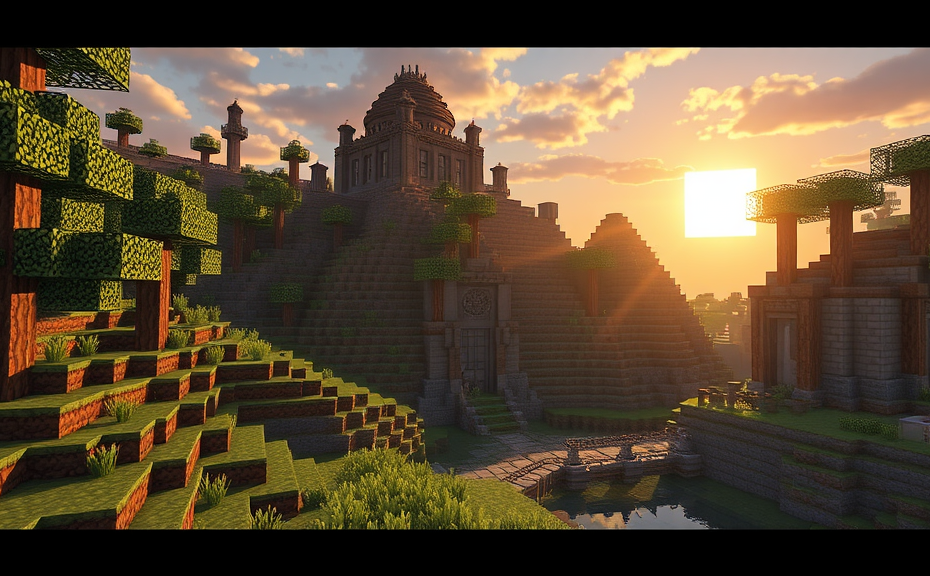
The game’s visual style also plays a significant role in its addictiveness. With its blocky, pixelated graphics, Minecraft creates a nostalgic and inviting atmosphere reminiscent of classic video games. This aesthetic appeals to both younger players who may be drawn to its charming look and older players who appreciate its retro charm. The simplicity of the visuals also makes the game less overwhelming, allowing players to focus on their creative endeavors without being distracted by overly complex graphics.
Minecraft’s multiplayer mode is another factor contributing to its addictive nature. Playing with friends or joining servers can turn a solitary experience into a social one, fostering collaboration and competition. Multiplayer adds a layer of excitement and unpredictability, as players can team up to build massive structures, compete in mini-games, or even engage in battles against each other. The social aspect of the game can create strong bonds among players, making it difficult to quit when you’re having fun with friends.
The game’s survival mode offers a unique challenge that appeals to players’ desire for achievement. In survival mode, players must gather resources, craft tools, and fend off hostile mobs to stay alive. This constant need for resource management and strategic thinking keeps players engaged and motivated to progress further. The sense of danger and the thrill of overcoming obstacles can be incredibly satisfying, driving players to push their limits and explore deeper into the game world.
Minecraft’s educational value also contributes to its popularity. The game can teach players valuable skills such as problem-solving, spatial reasoning, and critical thinking. Building structures and managing resources require planning and foresight, which can help develop these cognitive abilities. Parents and educators often recommend the game as a tool for learning, adding an additional layer of appeal for those looking to enhance their knowledge while having fun.
The game’s modding community is another reason why Minecraft remains so popular. Mods, or modifications, allow players to customize their gaming experience by adding new features, blocks, and even entire game modes. This level of customization keeps the game fresh and exciting, as players can discover new content created by the community. The ability to share and collaborate on mods fosters a sense of community and encourages players to engage with the game in innovative ways.
Minecraft’s regular updates and new content releases also keep players invested in the game. Mojang, the developer behind Minecraft, frequently introduces new features, blocks, and items, keeping the game dynamic and exciting. These updates can introduce new challenges, biomes, and gameplay mechanics, providing players with fresh experiences and goals to work towards. The anticipation of new content can be a powerful motivator, driving players to stay connected to the game.
Minecraft’s accessibility plays a crucial role in its addictive qualities. The game is available on multiple platforms, including PC, consoles, and mobile devices, making it easy for players to pick up and play wherever they are. This convenience factor ensures that players can immerse themselves in the game whenever they have free time, whether it’s during a commute or a lazy afternoon at home. The ease of access means that players can quickly dive into the game world, making it harder to put down.
Minecraft’s addictive nature stems from its open-ended gameplay, charming visual style, social multiplayer experience, survival challenges, educational value, vibrant modding community, regular updates, and accessibility. Each of these elements contributes to a compelling and immersive experience that keeps players engaged and coming back for more. Whether you’re a seasoned player or a newcomer, there’s always something new and exciting to discover in the world of Minecraft.
Minecraft has captured the hearts and minds of millions of players around the world since its release in 2009. Its addictive nature stems from a combination of engaging gameplay mechanics, creative freedom, and social elements that keep players coming back for more.
One of the primary reasons Minecraft is so addictive is its open-ended gameplay. Unlike many games with strict objectives and linear progression, Minecraft offers players the freedom to explore, build, and survive in a vast sandbox environment. This open-ended approach allows players to set their own goals, whether it’s constructing elaborate structures, mining for resources, or battling hostile mobs. The lack of a rigid structure means there’s always something new to discover or create, which keeps the game fresh and exciting.
The creative mode in Minecraft is another factor contributing to its addictiveness. In this mode, players have unlimited access to resources, allowing them to focus entirely on building and designing without the constraints of survival. This mode appeals to those who enjoy crafting intricate redstone contraptions, designing sprawling cities, or even recreating real-world landmarks. The ability to express creativity in a digital space can be incredibly fulfilling, and it taps into a fundamental human desire to create and build.
Survival mode adds another layer of complexity and challenge to the game. Players must gather resources, craft tools, and fend off dangerous creatures that come out at night. This survival aspect introduces a sense of urgency and danger, making each decision and action feel significant. Overcoming these challenges can be immensely satisfying, providing a rush of accomplishment that keeps players engaged.
Minecraft’s multiplayer features also play a crucial role in its addictiveness. Playing with friends or joining servers allows players to collaborate on large-scale projects, compete in various minigames, or simply explore together. Social interaction within the game creates a sense of community and belonging, which can be a powerful motivator for continued play. The ability to share creations and experiences with others enhances the overall enjoyment and makes the game more rewarding.
The blocky aesthetic of Minecraft is another element that contributes to its appeal. Despite its simple graphics, the game’s art style is charming and inviting. The pixelated blocks and vibrant colors create a visually appealing world that is easy to navigate and understand. This simplicity also makes it accessible to players of all ages, further broadening its audience and increasing its potential for addiction.
Moreover, Minecraft’s educational value adds another dimension to its addictiveness. The game encourages problem-solving, critical thinking, and spatial awareness. Many schools and educational institutions use Minecraft as a tool to teach subjects like mathematics, history, and even coding. This dual-purpose nature of the game means that players can enjoy it purely for fun while also benefiting from its learning opportunities.
The constant updates and expansions from Mojang Studios keep the game feeling fresh and exciting. Regular additions of new features, blocks, and creatures ensure that there’s always something new to discover. These updates not only add content but also address player feedback, improving the overall gaming experience. The ongoing development of the game demonstrates a commitment to player satisfaction, which helps maintain long-term engagement.
Minecraft’s addictive nature is a result of its open-ended gameplay, creative freedom, survival challenges, multiplayer capabilities, visual appeal, educational benefits, and regular updates. These factors combine to create a game that is both enjoyable and rewarding, making it a favorite among players worldwide.
- Open-ended gameplay: Allows players to set their own goals and explore freely.
- Creative mode: Offers unlimited resources for building and designing.
- Survival mode: Introduces challenges and a sense of urgency.
- Multiplayer features: Enhances social interaction and collaboration.
- Blocky aesthetic: Simple yet visually appealing graphics.
- Educational value: Encourages problem-solving and critical thinking.
- Constant updates: Keeps the game fresh with new content and improvements.
Minecraft has captured the hearts and minds of millions of players around the world, becoming one of the most popular video games ever created. But why is Minecraft so addictive? The answer lies in its unique blend of creativity, exploration, and endless possibilities.
At its core, Minecraft offers players a vast sandbox where they can build, explore, and survive in a world made entirely of blocks. This simple yet versatile concept allows for endless creativity. Players can construct elaborate structures, from humble homes to towering castles, using a wide array of materials. The ability to shape the environment to their vision taps into a deep-seated human desire to create and leave a mark on the world.
Another factor contributing to Minecraft’s addictiveness is its open-world exploration. The game’s procedurally generated landscapes mean that no two worlds are alike. Players can discover hidden caves, lush forests, and mysterious structures, each offering new challenges and rewards. This sense of discovery keeps players engaged, always eager to see what lies around the next corner.
The survival aspect of Minecraft adds another layer of depth. Players must gather resources, craft tools, and fend off hostile creatures to stay alive. This constant need to manage resources and adapt to changing circumstances creates a sense of urgency and accomplishment. Overcoming these challenges can be incredibly satisfying, driving players to keep pushing forward.
Minecraft also fosters social interaction. Multiplayer mode allows friends and strangers to come together and collaborate on massive projects or compete in various challenges. This social element enhances the gaming experience, providing opportunities for teamwork, competition, and friendship. Sharing creations and working towards common goals strengthens the bond between players.
The game’s modding community further extends its appeal. Players can download and install custom modifications that alter gameplay mechanics, add new items, or even create entirely new worlds. This community-driven content ensures that there’s always something fresh and exciting to explore, keeping the game dynamic and engaging over time.
- Unlimited creativity through building and crafting
- Endless exploration in procedurally generated worlds
- Survival challenges that require resource management and strategy
- Social interactions through multiplayer modes
- Customizable gameplay via mods and user-generated content
Moreover, Minecraft’s accessibility plays a significant role in its popularity. It’s easy to pick up and play, making it appealing to both casual gamers and hardcore enthusiasts. The game’s blocky aesthetic and charming visuals contribute to its charm, offering a gentle learning curve that encourages experimentation and play.
For younger players, Minecraft serves as an educational tool, teaching concepts like geometry, resource management, and even coding through in-game commands and redstone mechanics. This educational value adds another dimension to the game, making it more than just entertainment but also a valuable learning experience.
The regular updates from Mojang Studios ensure that the game remains fresh and exciting. New features, biomes, and items are introduced regularly, keeping the experience dynamic and preventing players from feeling bored. These updates cater to both veteran players and newcomers, ensuring that everyone finds something new to enjoy.
Minecraft’s addictive qualities stem from its combination of creative freedom, exploration, survival challenges, social interaction, and continuous updates. Its simplicity belies a complexity that appeals to a broad audience, making it a timeless classic in the gaming world. Whether you’re a seasoned player or a newcomer, Minecraft offers an experience that is both challenging and rewarding, encouraging you to dive deeper into its blocky universe.
Minecraft has captured the hearts and minds of millions of players around the world since its release. Its addictive quality can be attributed to several factors that make it stand out among other video games. One of the primary reasons why Minecraft is so addictive is its open-world sandbox gameplay. Players are given a vast, procedurally generated world where they can explore, build, and survive. This freedom allows for endless possibilities, encouraging creativity and imagination. Whether you’re mining for resources deep underground or constructing elaborate structures above ground, the sense of accomplishment and discovery keeps players engaged for hours.
The game’s survival mode adds another layer of complexity. Players must manage their hunger, health, and safety while facing hostile mobs that emerge at night. This survival aspect creates a constant need to gather resources, craft tools, and build shelters. It introduces a sense of urgency and challenge that keeps players on their toes. The risk of losing everything if a player dies adds a layer of tension, motivating them to play more cautiously and strategically. This dynamic balance between exploration and survival makes each session feel like a new adventure.
Another reason for Minecraft’s addictiveness is its multiplayer feature. Playing with friends or strangers in online servers opens up a whole new dimension of social interaction. Collaborative building projects, friendly competitions, and shared experiences create strong bonds among players. Multiplayer modes allow players to share their creations, learn from others, and even team up to tackle larger challenges. The ability to connect with a global community fosters a sense of belonging and camaraderie, which can be incredibly rewarding.
Minecraft also offers a variety of game modes beyond survival, including creative mode and adventure mode. Creative mode provides unlimited resources and flight, allowing players to focus solely on building and designing without worrying about survival elements. Adventure mode, on the other hand, focuses on exploration and puzzle-solving. These diverse options cater to different play styles and preferences, ensuring that there’s something for everyone. The flexibility to switch between modes based on mood or interest keeps players coming back for more.
The game’s educational value is another factor contributing to its popularity. Minecraft has been used in classrooms worldwide to teach subjects like math, science, and even history. Building structures, managing resources, and understanding spatial relationships help develop problem-solving skills and critical thinking. Parents and educators appreciate how the game encourages learning through play, making it a valuable tool for both entertainment and education.
Moreover, Minecraft’s modding community plays a significant role in extending the game’s lifespan. Mods add new features, items, and even entire game mechanics, keeping the experience fresh and exciting. These modifications range from simple quality-of-life improvements to massive overhauls that completely transform the gameplay. The ability to customize the game according to personal preferences ensures that players never run out of content to explore. The vibrant modding community also fosters a sense of community and collaboration among players who share their creations and ideas.
The visual simplicity of Minecraft also contributes to its appeal. The blocky, pixelated graphics give the game a nostalgic charm that appeals to both children and adults. This aesthetic choice removes the barriers of complex graphics, allowing players to focus on the gameplay itself rather than being distracted by high-definition visuals. The minimalist design also makes it easier for players to imagine and bring their ideas to life, enhancing the overall immersive experience.
Minecraft’s addictive nature stems from its open-world sandbox gameplay, survival challenges, multiplayer features, diverse game modes, educational value, modding community, and visual simplicity. Each of these elements works together to create a compelling and endlessly entertaining experience that keeps players coming back for more. Whether you’re a seasoned veteran or a newcomer, Minecraft offers something for everyone, making it a truly unique and captivating game.
Minecraft has captured the hearts and minds of millions of players around the world since its release in 2009. What makes this seemingly simple game so addictive? Let’s dive into the elements that contribute to Minecraft’s enduring popularity.
At its core, Minecraft offers a sandbox environment where players can explore, build, and survive in a vast, blocky world. The freedom to create anything you can imagine fosters a sense of accomplishment and personal achievement. When you see a massive castle or intricate redstone contraption emerge from your efforts, it’s incredibly satisfying. This sense of creation is a powerful motivator that keeps players coming back for more.
The game’s endless possibilities also play a significant role in its addictiveness. Whether you’re mining for resources deep underground, battling hostile mobs at night, or constructing elaborate farms to automate resource collection, there’s always something new to discover. The variety of activities ensures that players don’t get bored easily. Each world is procedurally generated, which means no two playthroughs are alike. This constant change and unpredictability add to the game’s allure.
Another factor contributing to Minecraft’s addictive nature is its social aspect. Playing with friends or joining multiplayer servers allows for collaborative building projects and shared adventures. The ability to share creations and experiences with others enhances the fun and provides a sense of community. Many players form lasting friendships through their shared love of the game, making it more than just a pastime—it becomes a social activity.
Minecraft’s accessibility also plays a crucial role in its widespread appeal. The game is available on multiple platforms, including PC, consoles, and mobile devices, making it easy for players to jump in whenever they have free time. The simplicity of the controls and user interface means even young players can pick up and play with minimal frustration. This ease of access ensures that the game remains approachable for both newcomers and seasoned veterans.
The educational value of Minecraft further adds to its addictive qualities. Schools and educators have embraced the game as a tool for teaching various subjects, from math and science to history and art. Building structures requires spatial reasoning skills, while redstone mechanics introduce basic concepts of electronics and engineering. These educational aspects make the game feel productive and rewarding beyond just entertainment.
The regular updates and content additions from Mojang Studios keep the game fresh and exciting. New biomes, blocks, and features are constantly introduced, providing players with new challenges and goals. For example, the addition of underwater ruins and the ocean monument added depth to exploration, while the introduction of villages and pillager outposts expanded survival gameplay. These updates ensure that there’s always something new to discover and master.
The modding community around Minecraft also contributes significantly to its longevity. Players can download and install mods that add new content, alter gameplay mechanics, or even completely transform the game. From realistic textures to entirely new dimensions, mods extend the game’s lifespan and offer endless customization options. This vibrant community fosters creativity and innovation, keeping the game dynamic and engaging.
Minecraft’s addictive nature stems from its combination of creative freedom, endless possibilities, social interaction, accessibility, educational value, regular updates, and a thriving modding community. These elements work together to create a compelling experience that appeals to a wide range of players. Whether you’re a casual player looking for some downtime or a dedicated builder aiming to create the next masterpiece, Minecraft offers something for everyone.
For many, the joy of Minecraft lies in the journey itself. The process of exploration, creation, and problem-solving is inherently rewarding. Each step forward, whether it’s discovering a hidden cave or successfully completing a challenging project, brings a sense of satisfaction. This continuous cycle of achievement and discovery is what makes Minecraft so captivating and difficult to put down.
The addictive nature of Minecraft is a result of its multifaceted appeal. From the freedom to create anything you can dream up to the social connections formed through shared experiences, the game offers a rich and engaging experience. With ongoing updates and a supportive community, Minecraft continues to evolve and captivate players worldwide. So, why is Minecraft so addictive? The answer lies in its ability to combine creativity, exploration, and community in a way that resonates deeply with players.
Conclusion
Minecraft’s addictive nature stems from its ability to offer endless possibilities and creative freedom, allowing players to build, explore, and survive in a world limited only by their imagination. This combination of sandbox gameplay, constant progression, and social interaction creates a deeply engaging experience that keeps players coming back. Whether you’re constructing awe-inspiring structures, delving into treacherous dungeons, or teaming up with friends, Minecraft offers a unique blend of fun and challenge that resonates with both casual gamers and hardcore enthusiasts. Its enduring popularity is a testament to how effectively it taps into our innate desire for creativity and accomplishment, making it a standout game in the digital landscape.