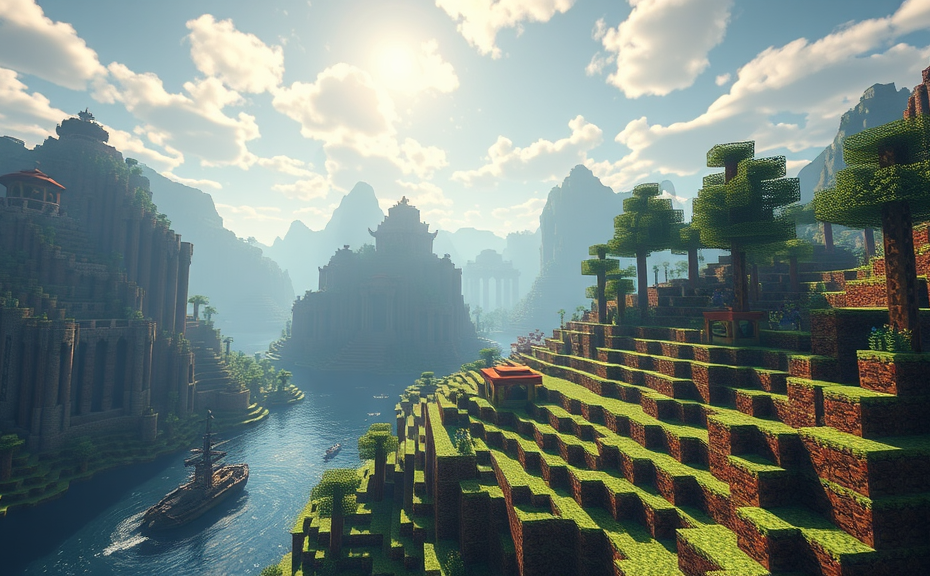
Why Minecraft’s Creative Mode Has Captivated Gamers Worldwide
Minecraft’s Creative Mode has captivated gamers worldwide with its limitless possibilities and immersive gameplay. In this mode, players have access to unlimited resources, allowing them to build anything their imagination can conjure. This freedom fosters creativity and innovation, making it a favorite among both casual and hardcore gamers.
One of the key reasons why Creative Mode is so popular is the absence of the usual constraints found in Survival Mode. Without the need to gather resources or fend off hostile mobs, players can focus entirely on building and designing. This makes it an ideal playground for those who enjoy crafting elaborate structures, landscapes, and even entire worlds.
The ability to fly in Creative Mode also adds a new dimension to exploration. Players can soar above the terrain, discovering hidden features and planning ambitious builds from an aerial perspective. This feature not only enhances the visual appeal of the game but also provides a practical advantage for builders looking to map out large-scale projects.
Another factor contributing to the popularity of Creative Mode is the vast array of blocks and items available. With an almost infinite palette of materials, players can experiment with different textures and colors, adding depth and variety to their creations. From traditional wood and stone to more exotic options like obsidian and stained glass, the range of choices encourages players to push the boundaries of what they can create.
Creative Mode also serves as a platform for collaboration and sharing. Many players use this mode to construct impressive structures and share them online through communities, forums, and social media. This exchange of ideas and designs creates a vibrant ecosystem where creativity thrives and inspires others. It’s not uncommon to see intricate replicas of real-world landmarks or fantastical dreamscapes built entirely within the game.
- Freedom to Experiment: Players can test new ideas without fear of failure, knowing that they can easily undo mistakes or start over.
- Collaborative Building: Multiple players can work together on massive projects, pooling their skills and resources.
- Resource Management: While there’s no need to gather resources, players can still manage their inventory, experimenting with different combinations and placements.
The educational value of Creative Mode should not be overlooked. Many schools and educators incorporate Minecraft into their curricula to teach subjects like geometry, architecture, and even coding. The hands-on approach to learning through building helps students grasp complex concepts in a fun and engaging way. This dual purpose of being both a recreational tool and an educational resource further cements its popularity.
Furthermore, Creative Mode offers a relaxing escape from the pressures of daily life. For many, the act of building and designing in a virtual space provides a therapeutic outlet. It allows players to unwind and channel their creativity in a low-stakes environment. This aspect of the game appeals to a wide audience, from young children to adults seeking a creative outlet.
The constant updates and additions to Creative Mode keep the experience fresh and exciting. Developers regularly introduce new blocks, items, and features, ensuring that there’s always something new to discover. These updates maintain the game’s relevance and continue to draw in new players while keeping existing fans engaged.
Minecraft’s Creative Mode stands out due to its emphasis on creativity, collaboration, and endless possibilities. Whether you’re a seasoned builder or a newcomer eager to explore, Creative Mode offers a unique gaming experience that continues to captivate gamers around the world. Its blend of fun, education, and relaxation makes it a standout feature in the ever-evolving landscape of video games.
Educational Benefits of Minecraft: A Deep Dive
Minecraft has captured the imagination of millions around the world, not just as a game but also as a powerful educational tool. Its blocky, pixelated world offers a unique sandbox environment where players can explore, build, and learn in ways that traditional classroom settings often struggle to achieve. Let’s dive into why Minecraft stands out as an educational resource.
One of the most significant educational benefits of Minecraft is its ability to foster creativity. Players can build anything their minds can imagine, from simple houses to complex cities, using a variety of blocks. This creative freedom encourages kids to think outside the box and develop innovative solutions to problems they encounter within the game. For example, building a bridge over water requires planning and foresight, skills that translate directly to real-world problem-solving scenarios.
Minecraft also promotes critical thinking and decision-making. In survival mode, players must manage resources, craft tools, and defend against hostile creatures, all while navigating a dynamic and sometimes unpredictable environment. These challenges require strategic thinking and quick decision-making, which can help children develop essential cognitive skills. For instance, deciding whether to explore a cave for valuable resources or stay safe in their base involves weighing risks and rewards, a skill that is crucial in both academic and professional settings.
The game’s emphasis on collaboration makes it an excellent platform for teaching teamwork and communication. Multiplayer modes allow players to work together on large-scale projects, such as building a sprawling city or defending against waves of zombies. Through these collaborative efforts, children learn how to communicate effectively, delegate tasks, and resolve conflicts—skills that are vital in today’s interconnected world. For example, coordinating the construction of a multi-story tower with friends teaches the importance of clear communication and shared goals.
Moreover, Minecraft supports learning across various subjects. History lessons come alive when students recreate ancient civilizations or famous landmarks. Math concepts become more tangible through building structures and calculating areas or volumes. Science experiments can be conducted in-game, such as testing the properties of different materials or simulating ecosystems. By integrating Minecraft into the curriculum, educators can make abstract concepts more relatable and engaging for students.
Another key benefit is the development of computational thinking. Minecraft’s Redstone feature allows players to create complex circuits and machines using logic gates, switches, and other components. This hands-on approach to understanding digital systems helps demystify technology and fosters an interest in computer science. Students can experiment with basic programming concepts, such as loops and conditionals, by building automated farms or redstone contraptions. These experiences lay the foundation for more advanced coding skills and can inspire a lifelong passion for technology.
Furthermore, Minecraft’s vast and varied world provides endless opportunities for exploration and discovery. From exploring vast deserts to venturing into dark caves, players are constantly encountering new environments and challenges. This sense of adventure can spark curiosity and a love for learning, encouraging children to ask questions and seek answers. Educational mods and plugins can enhance this exploratory aspect even further, adding historical facts, scientific data, or cultural insights to the game’s rich tapestry.
Minecraft can help build resilience and perseverance. Players often face setbacks, whether it’s losing their inventory to a creeper explosion or failing to complete a complex project. Overcoming these obstacles teaches important life skills like patience, determination, and the value of persistence. For instance, rebuilding a destroyed house might take several attempts, but each failure brings players one step closer to success. These experiences can instill a growth mindset, helping children understand that mistakes are part of the learning process.
Minecraft’s educational benefits extend far beyond mere entertainment. Its creative, collaborative, and explorative nature makes it a versatile tool for teaching a wide range of subjects and skills. By incorporating Minecraft into educational settings, teachers can engage students in meaningful, hands-on learning experiences that foster creativity, critical thinking, and a love for discovery. As the game continues to evolve, its potential as an educational resource only grows stronger, offering new ways to inspire and educate the next generation.
Minecraft’s Impact on the Gaming Industry and Beyond
Minecraft has revolutionized the gaming industry since its release in 2011, becoming one of the most popular and influential games of all time. Its impact extends far beyond the realm of video games, influencing education, creativity, and even social interactions. Let’s explore how Minecraft has made such a significant mark.
One of the key factors behind Minecraft’s popularity is its open-world sandbox gameplay. Players can explore, build, and create in a world made entirely of blocks. This freedom allows users to express their creativity in countless ways, from constructing elaborate structures to crafting complex redstone mechanisms. The ability to modify and expand the game through mods and add-ons has also contributed to its longevity. These modifications can introduce new features, challenges, and even entire new worlds, keeping the game fresh and exciting for players.
Minecraft in Education
Minecraft has found a place in classrooms around the world. Teachers use the game to teach subjects like math, science, and history. For example, students can learn about geometry by building structures, understand ecosystems by creating virtual farms, or explore historical sites by recreating them within the game. Minecraft Education Edition provides educators with tools specifically designed to facilitate learning experiences. These educational resources help students develop critical thinking, problem-solving skills, and teamwork abilities in a fun and engaging way.
Creative Learning Environment
The creative learning environment offered by Minecraft encourages students to think outside the box. It fosters curiosity and a love for learning. Projects that involve building complex machines or solving puzzles within the game can enhance students’ understanding of real-world concepts. Moreover, Minecraft’s multiplayer mode allows students to collaborate on projects, promoting teamwork and communication skills.
Community and Collaboration
Minecraft’s success is also due to its vibrant community. Players share their creations, tips, and stories on platforms like YouTube, Reddit, and forums. This community-driven aspect has led to a wealth of user-generated content, including tutorials, maps, and custom skins. Communities often form around shared interests, such as building competitions or survival challenges. These communities provide support, inspiration, and a sense of belonging for players.
- Players can join servers to play with others, fostering social connections and teamwork.
- Online communities offer a platform for sharing ideas and collaborating on projects.
- Regular updates from Mojang keep the game dynamic, introducing new elements that maintain player interest.
Economic Impact
Minecraft’s influence extends into the economic sphere as well. The game has created numerous job opportunities, from developers creating mods and plugins to streamers and content creators who share their gameplay on platforms like Twitch and YouTube. The Minecraft marketplace, which allows players to purchase user-created content, has also generated income for many creators. This economic ecosystem supports a diverse range of professionals, contributing to the growth of the gaming industry.
Entrepreneurial Opportunities
For aspiring entrepreneurs, Minecraft offers a platform to showcase creativity and build a business. Many players have turned their passion for the game into successful careers. From selling custom skins and textures to offering in-game services, there are multiple avenues for making money. This entrepreneurial spirit has helped to diversify the gaming industry, attracting a broader audience and encouraging innovation.
Global Reach and Cultural Impact
Minecraft’s global reach has made it a cultural phenomenon. Available in over 100 languages, the game transcends geographical boundaries, bringing people together from different backgrounds and cultures. Minecraft events, such as the annual MineCon, celebrate the game’s community and creativity. These events not only bring fans together but also highlight the game’s impact on popular culture.
Minecraft’s impact on the gaming industry and beyond is profound. Its innovative gameplay, educational applications, community engagement, economic contributions, and global reach have cemented its place as a landmark in the world of video games. Whether you’re a seasoned player or a newcomer, Minecraft offers endless possibilities for exploration, creation, and connection.
Building Communities: How Minecraft Fosters Social Interaction
Minecraft has become a global phenomenon not just because of its creative gameplay but also because of how it fosters social interaction among players. This game offers a unique platform where individuals can connect, collaborate, and compete with others from around the world. Here’s why Minecraft is so effective at building communities.
Multiplayer Mode
Minecraft’s multiplayer mode is one of its most compelling features. Players can join servers to play with friends or strangers, creating a dynamic environment where social interactions are constant. Whether you’re teaming up to build a massive castle or competing in a survival game, multiplayer mode encourages communication and cooperation. Players often form alliances, share resources, and even develop complex economies within the game, mirroring real-world social dynamics.
- Joining Servers: Players can join public or private servers, each offering different experiences and communities. Some servers focus on role-playing, while others emphasize competitive play or creative building challenges.
- Friend Lists: The ability to add friends to your list makes it easy to keep track of who you’ve played with and enables quicker connections when you log back in.
Custom Servers and Mods
One of the reasons Minecraft remains popular is its modding community. Players can download custom servers and mods that introduce new gameplay mechanics, stories, and environments. These additions often come with their own vibrant communities, fostering a sense of belonging among players who share common interests.
- Modded Servers: These servers can range from simple modifications like new blocks and items to entirely new game modes and storylines. Popular mod packs like Tekkit and Feed The Beast have large followings and dedicated forums.
- Community Challenges: Many modded servers host regular events and challenges, encouraging players to participate and interact. These activities often require teamwork, which strengthens bonds between players.
Real-World Social Events
Beyond the digital realm, Minecraft also facilitates real-world social events. Players organize meetups, LAN parties, and conventions where they can meet face-to-face. These events provide opportunities for players to bond over shared experiences and discuss their favorite aspects of the game.
- Local Meetups: Groups of players gather at local venues to play Minecraft together. These meetups can be casual get-togethers or structured events with planned activities.
- Conventions: Major conventions like MineCon bring together thousands of players from around the world. These events feature talks, workshops, and tournaments, providing a rich social experience.
Collaborative Projects
Minecraft’s creative mode allows players to work on large-scale projects together. From building entire cities to recreating famous landmarks, these collaborative efforts require coordination and communication, fostering a strong sense of community.
- Building Cities: Large-scale city-building projects often involve multiple players working on different districts or buildings. This collaboration requires planning and coordination, leading to deeper social interactions.
- Recreating Real-World Landmarks: Players can work together to recreate famous structures like the Eiffel Tower or the Colosseum. These projects often attract attention from other players and can become focal points for community engagement.
Player-Run Events
Players themselves often organize events within the game. These can range from simple treasure hunts to elaborate role-playing scenarios. Such events not only entertain but also encourage social interaction among participants.
- Treasure Hunts: Organizers set up clues and puzzles for players to solve, leading them through a series of challenges. These events are great for bringing players together.
- Role-Playing Scenarios: Players can create immersive role-playing scenarios, such as medieval quests or futuristic adventures. These scenarios often require players to communicate and work together to progress.
Supportive Communities
Minecraft’s supportive community is another reason why it’s so popular. Players are generally welcoming and helpful, especially to newcomers. This positive atmosphere encourages more people to join and contribute to the community.
- Forums and Discord Channels: Many Minecraft communities have their own forums and Discord channels where players can discuss the game, share tips, and ask for help.
- New Player Support: Experienced players often take time to mentor newbies, helping them learn the ropes and feel welcome. This support system helps new players integrate into the community more easily.
Minecraft’s ability to foster social interaction is one of its greatest strengths. Through multiplayer modes, custom servers, real-world events, collaborative projects, player-run events, and supportive communities, the game creates a vibrant and engaging social experience. Whether you’re playing casually or diving deep into complex projects, Minecraft offers endless opportunities to connect with others and build lasting friendships.
From Blocks to Reality: Minecraft’s Influence on Pop Culture
Minecraft has become more than just a game; it’s a cultural phenomenon that has captured the hearts and minds of millions around the world. From its humble beginnings as a project by Markus “Notch” Persson, the game has evolved into a platform where creativity knows no bounds. This article delves into why Minecraft is so popular and how it has influenced pop culture.
One of the key reasons behind Minecraft’s immense popularity is its accessibility. The game is available on almost every platform, including PC, consoles, and mobile devices. This ubiquity ensures that players of all ages can access it easily, fostering a diverse community. The simple yet captivating gameplay mechanics, which involve breaking and placing blocks to build structures, landscapes, and even entire worlds, appeal to both children and adults. The low barrier to entry makes it inviting for beginners, while the depth of its features keeps experienced players engaged for hours.
Unlimited Creativity
Minecraft’s sandbox environment allows players to unleash their creativity without limitations. Players can construct anything from simple houses to intricate redstone contraptions that mimic real-world machines. This freedom to experiment and create has led to the emergence of countless user-generated projects, ranging from replicas of famous landmarks to functional computers built entirely within the game. Such creativity has inspired communities and sparked a wave of innovation that extends beyond gaming into fields like architecture and engineering.
Cross-Generational Appeal
The cross-generational appeal of Minecraft is another significant factor in its popularity. Children enjoy building and exploring virtual worlds, while adults appreciate the game’s educational value and the mental challenges it presents. Parents often find themselves joining their kids in multiplayer sessions, turning gaming time into family bonding moments. This intergenerational engagement fosters a shared experience that strengthens relationships and creates lasting memories.
Educational Value
Minecraft’s potential as an educational tool cannot be overlooked. Schools worldwide have incorporated the game into their curricula to teach subjects like mathematics, physics, and computer science. The game’s ability to simulate real-world concepts helps students grasp complex ideas through hands-on learning. For instance, building structures requires understanding geometry, while redstone mechanics can introduce basic principles of electronics and logic gates. This educational aspect has made Minecraft a valuable resource for educators seeking innovative ways to engage students.
Community and Collaboration
The strong sense of community within the Minecraft world is a driving force behind its enduring popularity. Players collaborate on massive projects, share tips and tricks, and participate in various online forums and social media groups dedicated to the game. Multiplayer servers offer a platform for players to connect with others from around the globe, fostering friendships and teamwork. This collaborative spirit not only enhances the gaming experience but also builds a supportive network that encourages continuous learning and growth.
Influence on Pop Culture
Minecraft’s influence on pop culture is evident in its widespread presence across various media. The game has inspired numerous books, movies, and even music videos. Celebrities and influencers often showcase their Minecraft creations on social media, further amplifying the game’s reach. Additionally, Minecraft-themed events and conventions attract thousands of fans who gather to share their love for the game. These cultural touchpoints demonstrate how deeply ingrained Minecraft has become in modern society.
Endless Possibilities
Perhaps the most compelling reason for Minecraft’s success is its endless possibilities. The game constantly evolves through updates and new features, ensuring that there is always something fresh and exciting to discover. Whether you’re a seasoned player or a newcomer, there is always room for exploration and experimentation. This dynamic nature keeps the game relevant and engaging, making it a timeless favorite among gamers.
Minecraft’s popularity stems from its combination of simplicity, creativity, and community. Its ability to bridge generations and serve as an educational tool further cements its status as a cultural icon. As the game continues to evolve, it will undoubtedly continue to inspire and entertain players of all ages, solidifying its place in the annals of gaming history.
Conclusion
Minecraft’s enduring popularity stems from its ability to blend creativity, education, and community in a way that few other games can match. Its creative mode has unlocked boundless imagination, allowing players to craft worlds limited only by their ideas. The game’s educational value shines through, teaching everything from basic coding to complex problem-solving skills. As it reshapes the gaming industry, Minecraft also bridges gaps between generations and cultures, fostering social connections and collaborative projects. Its influence extends beyond digital realms, becoming a cultural touchstone that inspires art, fashion, and even architecture. Whether you’re building towering structures, learning new skills, or connecting with others, Minecraft offers something for everyone, proving that its appeal lies in the simple joy of creation and discovery.